A child’s smile is worth protecting, and the good news is that it all starts much sooner than most parents think. Pediatric dental care tips are key to your armory of parenting tools, advice that helps you guide your kids to strong, healthy teeth and lifelong good habits in taking care of their teeth.
This guide will walk you through the basics, from the very first tooth coming in right through to their first dentist visit & beyond.
What Are Pediatric Dental Care Tips?
Pediatric dental care tips are simple, sensible rules that help you look after your little ones’ teeth from the moment they’re born right through to their teenage years. They cover the basics of brushing teeth, what to feed them, and when they should visit the dentist, plus spot the warning signs that can prevent common problems with kids’ teeth.
General Dentistry vs Specialist Care for Kids
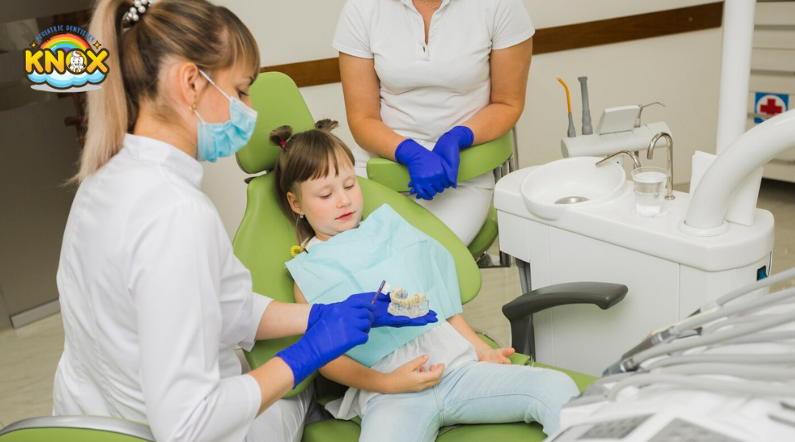
Pediatric dentistry is a specialty all about helping kids with their teeth. It’s a job that needs specialized training that takes another two or three years on top of dental school. That means you can expect your kid’s dentist to know a thing or two about growth and development, how to deal with young kids being anxious about visiting the dentist, and ways to gently bring a badly behaved kid around without getting too stressed.
The whole experience for kids is tailored to be way less scary and make them feel more at ease. You can expect smaller tools and friendly faces that can put the most nervous of kids at ease, even on their very first visit
How Mum & Dad Are The Key To Their Kids’ Good Oral Health
Parents are the most important people in their kids’ dental health. Under sixes can’t brush their teeth properly or floss without help, so you’re the one holding the brush. So make sure you get in there and have a go at all of these things
- Help them brush their teeth properly; you know when to get this perfect
- Get them the right-sized toothbrush and the right sort of toothpaste for their age
- Look after what they eat & drink at home; smart choices are key to a healthy smile
- Stick to the schedule & get them into the dentist regularly; less stress for all concerned! The habits you build at home are the ones that stay with them for good
The Big Deal About Early Pediatric Dentistry
The Real Reason Early Pediatric Dentistry Matters
You can’t overstate the importance of getting your little one to the dentist at a super young age. The American Academy of Pediatric Dentistry is very serious about that, thinking every kid should be seen by a dentist before they turn one (or at the latest, when the first tooth comes in, which is usually within six months).
Getting those early visits in can make a huge difference:
- They help keep an eye on how those teeth and jaws are growing.
- They can spot potential problems before they even start to cause trouble.
- You get personalized advice from the dentist about how to keep your kid’s teeth healthy.
- It’s a great chance to get your kid used to regular dentist visits, and make sure they don’t get spooked by it
Kids who go to the dentist regularly from a really young age are way less likely to get nervous or nervous when they need to go back to the dentist later on.
Stopping Cavities Before They Even Start
You might be surprised to hear that tooth decay is the most common chronic disease kids get in the US, and nearly 1 in 5 kids aged 5 to 11 are affected by it.
The good news is that it’s almost always preventable if you’re doing a good job at home with some common-sense pediatric dental care tips and also getting regular support from the dentist.
Building Good Oral Habits That’ll Last a Lifetime
The habits you get into at a young age are the ones that stick. If your kid is brushing and flossing regularly from a really young age, they’re way more likely to keep up with it when they’re a teen and adult, and that means a lower risk of getting cavities, gum disease, and tooth loss.
The Impact on Overall Health and Development
When your kid’s oral health isn’t up to par, it’s not just their teeth that are affected; it’s their whole body, too. If they’ve got untreated cavities, it can cause the following:
- Chronic pain and sleep problems
- Trouble eating properly because of all the discomfort.
- Concentrating at school gets way harder when your mouth hurts.
- Even serious issues like delayed speech development
It’s also worth noting that healthy baby teeth play a huge role in helping guide those permanent teeth in as they come in, so losing them early (or neglecting them) can impact how those adult teeth line up in the jaw.
Daily Pediatric Dental Care Tips for Kids
Proper Brushing Technique by Age
| Age | Who Brushes | Toothpaste Amount |
| 0–3 years | Parent | Rice grain-sized |
| 3–6 years | Child with supervision | Pea-sized |
| 7+ years | Child independently | Pea-sized |
Use a soft-bristled toothbrush and brush with gentle circular motions, making sure to cover all surfaces, the front, the back, and those pesky chewing areas, for a whole two minutes at a time, getting the job done twice daily.
Choosing The Right Toothbrush & Toothpaste
- Always pick a soft-bristle toothbrush and get one that is the right size for your child’s age
- Use a fluoride toothpaste because fluoride really does strengthen enamel and is the single best thing you can do to help prevent cavities
- Swap out the toothbrush every three months or right after they’ve been sick
You should avoid non-fluoride toothpaste for everyday use unless you’ve gotten the alright from a pediatric dentist.
The Importance of Flossing
Flossing is one of those often-overlooked pediatric dental care tips.
You see, as soon as your child’s two teeth start to rub up against each other, it goes straight to work trapping all those pesky bacteria and food bits between them, somewhere a toothbrush just can’t reach.
Get your kid started flossing as soon as those adjacent teeth are showing; it’s way simpler with a child-friendly floss pick that makes the whole process less intimidating.
Creating A Consistent Oral Hygiene Routine
Consistency really is everything here.
Brush their teeth at the same two times every single day, morning and right before bed, and try to involve the whole family in it so it doesn’t feel like a chore.
You can even use one of those two-minute timers or a brushing app to help keep the little ones engaged.
The aim is to make all this oral hygiene stuff feel completely normal and automatic, not a constant battle.
Diet and Nutrition – What’s Good For Strong Teeth
What goes into your child’s diet will have a huge impact on how strong and resistant their teeth are to decay.
The smartest thing you can do is eat right and know the right pediatric dentistry tips to apply at home.
Foods That Really Help
- Dairy products (milk, cheese, yogurt): Absolutely packed with calcium and phosphorus, which help rebuild tooth enamel
- Crunchy veggies (carrots, celery, apples): those help stimulate saliva, which helps scrub off all that nasty plaque
- Leafy greens (spinach, kale): They’re great sources of calcium and folic acid for healthy gums
- Water: especially if it’s fluoridated tap water, it goes to work strengthening the enamel throughout the day
Foods You Should Limit or Avoid
- Sugary snacks and candy: They feed the bacteria that cause cavities
- Carbonated sodas: They’re a double whammy, sugar and acid combining to batter the enamel
- Fruit juice: It can have just as much sugar as soda
- Sticky food (gummies, dried fruit, chewy crackers): It just clings to the teeth and makes the acid exposure last longer
According to the World Health Organization, getting your child’s free sugar intake down to less than 10% of their daily intake really does significantly lower the risk of dental caries across all age groups.
Water and Calcium Roles
Thirsty kids often forget how much sipping matters. Fluoride in drinking water does more than just wet the throat; it strengthens teeth over time.
Between bites of food, aim for meals packed with dairy or greens so bones grow sturdy.
Children’s dental issues and prevention
Tooth Decay and Cavities
Most times, tiny creatures living in your mouth start growing when they eat sugar or acidic things.
These microbes make a sharp liquid as waste, which slowly eats away the hard outer layer of teeth. Without help, that weak spot grows and moves inward until it hits the soft middle area. That core holds nerves and blood vessels, like the heart of the tooth.
Once trouble reaches there, soreness shows up fast, often leading to the removal of the whole tooth.
Prevention tips:
- Use fluoride toothpaste
- Avoid sugary and sweet drinks and foods
Wondering about protection for your kid’s teeth?
A quick chat with the dentist could help. Sometimes tiny shields on molars make a difference. See what they think about that option
Regular dental cleanings
Gum Disease in Children
Pink tissue turning sore? That’s often the first sign of trouble in kids. Plaque sticks around, building up where teeth meet gums. Swelling follows, quietly at first.
Yet it doesn’t have to stay that way; change can happen fast. Healing begins once the sticky film is removed daily.
Start brushing where gums meet teeth; do it every day. Flossing follows close behind, making a routine that works without fuss.
Thumb Sucking and How It Affects Mouth Growth
Most babies suck their thumbs. Kids often grow out of it by themselves.
Yet past five years old, doing it a lot might lead to problems. Teeth could shift over time. The habit may affect how the mouth forms.
Jaw shape sometimes changes, too. Pressure from constant sucking plays a role here. Long-term patterns bring lasting effects. Breaking it early helps avoid these outcomes
- The top front teeth protrude outwards
- The bottom front teeth protrude inwards
- Changes come to how the jaw is shaped
When kids keep sucking their thumbs past age five, try speaking with a pediatric dentist.
They might suggest methods to help stop the behavior. A different approach could be needed at this stage.
Preventive Care Basics for Childrens Teeth
The best pediatric dental care tips include:
A thin coat of fluoride varnish goes on teeth at checkups. This step helps harden tooth surfaces over time. Protection builds where it’s needed most. A small amount works well each visit.
Stronger enamel resists daily wear better.
Those plastic coatings go on molars. They shield deep ridges where decay often hides. A dentist paints them into place during a visit.
The layer blocks acid and food bits. This guard stays put for years. It works best right after the tooth breaks through the gum line.
When kids lose baby teeth too soon, something called a space maintainer holds the spot. It sits right where the missing tooth was. This little device keeps nearby teeth from shifting out of place.
Because if they move, there might not be room later. The grown-up tooth needs that exact opening. Without it, things can get crowded. So the dentist puts in this holder until the real tooth comes through.
That way, everything lines up naturally. Timing matters just as much as position. Waiting without support could cause problems down the road. The goal is simple: to save the gap.
Most of these ideas take little effort, cause no stress, and work well. A children’s dentist can tell you which one fits your kid best.
When To See A Kid’s Dentist
How Often To See A Dentist
Frequent checkups help catch issues early, yet some kids need them even more often. Every half year works for most youngsters seeing a pediatric dentist, but when decay happens faster, appointments every few months make sense instead.
Regular visits to the pediatric dentist will help them:
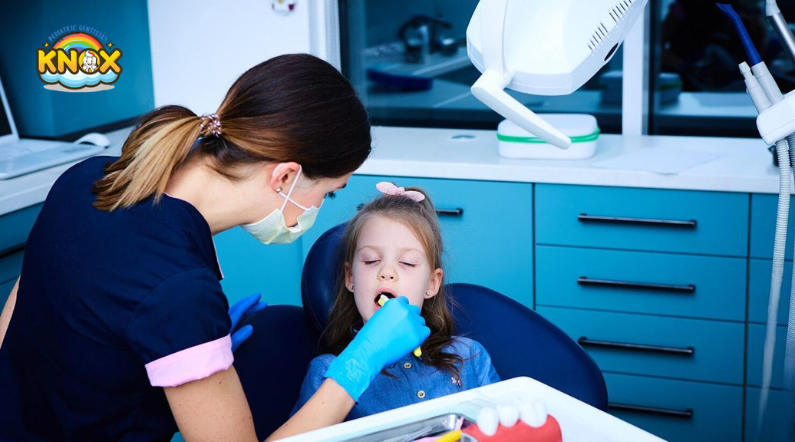
Watch how teeth and jaws grow over time. Notice changes as they happen, step by step. Follow progress without rushing ahead. Stay alert to small shifts that appear week after week. Observe patterns forming through months of steady change
- Give your child a dental cleaning
- Give your child fluoride treatments
Stopping issues early keeps things from turning into big headaches later on. Fixing small stuff now means less money spent down the road.
A little attention today avoids major repairs tomorrow. Catching glitches before they grow saves time, stress, too. Small steps at first prevent huge messes afterward
Fresh teeth checkups? They start way earlier than most think – doctors suggest visits begin right after birth, twice yearly. That rhythm matters more than you might guess.
Early Indicators Your Child Should Visit a Dentist
You should not wait for the recommended dental visit schedule if you notice:
- Toothache or sensitivity to hot and cold
- Dark spots, holes, or white spots on the teeth
- Red, swollen, and bleeding gums
- Trouble chewing or biting
- Bad breath
- A broken, chipped, or cracked tooth
When any of these signs show up, a visit to the kids’ dentist shouldn’t wait. Soon becomes better when started early.
First Visit What Happens
A quick look around marks the start of things. A soft touch guides each step along the way. This moment aims to feel good, right from the beginning.
One by one, small checks happen without rush. Care shows in how tools stay calm, hands light. Getting used to the room matters just as much as any exam
- Count and check the teeth
- Check the gums and development of the bite
- Wipe it down now and then, only when needed
- Fluoride application
Walk parents through pediatric dental care tips for their child’s age group
A little chat ahead of time helps; try saying it’s a cheerful stop to meet someone who counts smiles. This person checks each tooth like a friendly explorer. Talking about strength and care keeps things light.
Skip anything that sounds scary or serious. Words matter, so pick ones that feel safe. A calm mood starts with how you describe the moment.
Frequently Asked Questions
1. What are the best pediatric dentistry tips for beginners?
Start with the four core habits: brush twice daily with fluoride toothpaste, floss once adjacent teeth appear, limit sugary snacks and drinks, and schedule the first dental visit by your child’s first birthday. These four steps cover the foundation of strong kids oral health.
2. Why is kids’ oral health important from an early age?
Baby teeth guide speech development, support proper chewing, and hold jaw space for permanent teeth. Poor kids’ oral health in childhood can affect nutrition, sleep, school performance, and long-term adult dental health.
3. What is the importance of early pediatric dentistry?
The importance of early pediatric dentistry lies in prevention and habit formation. Early visits catch problems before they escalate, reduce dental anxiety, and give parents professional guidance tailored to their child’s specific development stage.
4. How often should children visit a dentist?
Twice a year is the standard recommendation. Children at higher risk for cavities may need visits every three to four months. Consistent attendance is one of the most reliable pediatric dental care tips for preventing expensive, painful dental problems down the line.
5. What foods help improve kids’ oral health?
Dairy products, crunchy vegetables, leafy greens, and fluoridated water are the best dietary choices for kids oral health. Reducing sugary snacks, sodas, and sticky foods significantly lowers cavity risk and protects enamel over time.