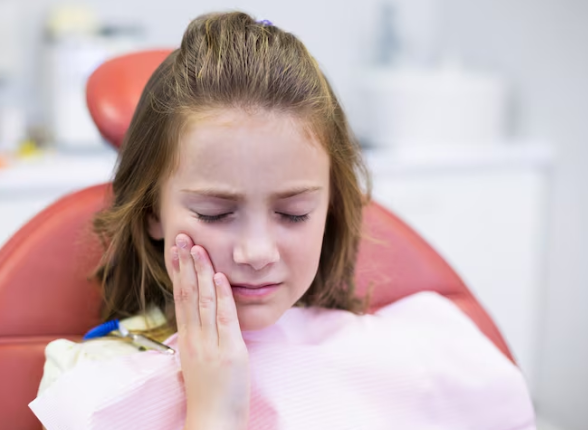
When your child eats something sweet, their teeth might feel sensitive. They often rush to eat something salty to avoid that irritation. But salty food can also sting their mouth. This can worry you about your kid. This irritation isn’t just from food; it can also come from hot and cold drinks. This issue needs your serious attention.
You think briefly and consider it might be tooth sensitivity. This isn’t only about your child; many kids today face this. Parents work hard to deal with it, too. Sensitivity can affect eating, drinking, brushing, and even breathing in the morning. It might sound dramatic, but it really hits hard when it’s your child
But here’s the thing. Tooth sensitivity usually gives warning signs before it turns severe. Understanding the cause early can save your enamel and your gums, and, honestly, it also gives peace of mind to the parents.
This guide covers what causes tooth sensitivity, the best treatment options, and how to prevent it from worsening.
What Is Tooth Sensitivity?
Tooth sensitivity happens when the inner layer of the tooth is exposed. This layer is known as the dentin. It contains tiny tubules connected to nerves inside the tooth.
You must be asking yourself as a parent, “What causes tooth sensitivity?” Cold, hot, sweet, and acidic foods and drinks trigger tooth sensitivity. Its effect reduces as the triggers are removed from the teeth.
Understanding Sensitive Teeth
When enamel wears down or gums pull back, nerves react quickly. Cold drinks, hot soup, candy, or brushing can cause this pain. A sensitive tooth may feel like:
- A quick electric shock
- Sudden sharp pain
- Lingering discomfort after eating
- Pain during brushing
- Sensitivity while breathing cold air
Common Symptoms of Tooth Sensitivity
Tooth sensitivity symptoms differ among children. Some kids feel mild irritation, while others face daily challenges. Here are a few common signs:
- Dietary changes
- Chewing Habits
- Hygiene Resistance
- Irritability
- Swelling in gums
- Discomfort from sweets
- Pain while flossing, brushing, or eating
- Cavities
- Cracked or chipped teeth
- Excessive plaque buildup on teeth
Why Some People Experience More Sensitivity Than Others
Not everyone develops Tooth Sensitivity at the same rate. The infants, kids, or teenagers will experience varied risk factors, some of which are:
- Anatomy and Development
- Genetics
- Aggressive brushing habits
- Acidic diets
- Teeth grinding during sleep
- Underlying Dental Issue
- Sinus Infections
To prevent long-term damage to your kids, get in touch with the best pediatric dentist for tooth sensitivity treatment.
What Causes Tooth Sensitivity?
The parents need to rely on the best pediatric dentist to find the real issue behind “what causes tooth sensitivity.”
Enamel Erosion
If your kids eat too many sweets or acidic foods, then they will erode the enamel of their teeth. This makes your child’s teeth more sensitive. Here are some typical reasons:
- Soda
- Citrus fruits
- Sports drinks
- Acid reflux
- Hard brushing
Pros
- Early enamel damage can often be managed
- Lifestyle changes help reduce progression
Cons
- Lost enamel does not grow back
- Severe erosion increases cavity risk
Cavities and Decay
They are another main reason behind the tooth sensitivity. If your child does not brush or floss his/her teeth quite often, then the tooth decay starts showing its effect and causes discomfort in your child’s teeth. Here are a few explanations for decay and cavities:
- Poor oral hygiene
- Frequent sugary snacks
- Plaque buildup
- Skipping regular dental checkups
- Bacteria around the gum line
Pros:
- Early cavities can often be treated quickly
- Routine dental care helps prevent further damage
Cons:
- Untreated decay may lead to infections
- Deep cavities can increase long-term sensitivity
Tooth Sensitivity After Filling
Tooth sensitivity after a filling is temporary in most of the cases. This happens because the tooth needs time to adjust after treatment. The sensitivity may occur while eating hot, cold, or sweet foods for a few days after the filling. Common causes of tooth sensitivity after filling include:
- Deep fillings close to the nerve
- Inflammation inside the tooth
- Pressure changes while biting
- Sensitivity to filling materials
Pros:
- Mild sensitivity after filling is usually temporary
- Proper dental care helps the tooth heal faster
Cons:
- Persistent pain may require another dental visit
- Ignoring systems can worsen discomfort
Gum Recession
Gums may slowly pull away when roots are exposed. Children will experience gum sensitivity due to the following reasons mentioned below:
- Brushing too hard
- Poor flossing habits
- Plaque and tartar buildup
- Gum infections
Pros:
- Early treatment can protect the gums
- Better brushing habits reduce irritation
Cons:
- Untreated gum recession may worsen sensitivity
- Severe cases can affect long-term oral health
Effective Tooth Sensitivity Treatment Options for People
Figuring out what’s causing all that discomfort is the top priority. Your pediatric dentist will do their part to track down the perfect treatment & suggest a few lifestyle tweaks. Here are a few of the common treatments that can help with tooth sensitivity:
Desensitizing Toothpaste
When it comes to kids with mild tooth sensitivity, the desensitizing toothpastes work a treat. It works by blocking the pain signals from your teeth to the nerves, effectively blocking the whole thing. If you stick with it, your kids’ teeth may feel better while reducing sensitivity.
Fluoride Treatments
Fluoride treatment is the usual next step for treating tooth sensitivity in kids. It strengthens weak spots in the enamel so your kids’ teeth don’t get damaged. In some cases, kids may need a fluoride treatment because their teeth are wearing down a bit too fast or getting into trouble a bit early with decay.
Dental Fillings
If you’ve got a cavity or a tooth that has been damaged, causing the sensitivity, a filling is probably what you need. Sometimes, after a filling, you can end up with a bit of temporary sensitivity, but that usually sorts itself out pretty quickly.
Gum Care Treatments
If gum recession or irritation is exposing your tooth roots, there’s a good chance your dentist will suggest some treatment to sort out your gum health. But prevention is way easier; just brush and floss properly to stop the irritation from building up.
Maintaining Proper Oral Hygiene
To manage tooth sensitivity, follow a daily routine. Brush and floss regularly. Visit the dentist often. Use a soft-bristle toothbrush to avoid enamel wear and gum irritation.
How to Avoid Tooth Sensitivity
Parents will always worry about their kids’ oral hygiene health. Its impact on daily life can be significant. You can’t avoid every issue, but some steps can help prevent tooth sensitivity:
Use a Soft-Bristled Toothbrush
To protect your kids from tooth sensitivity, use a soft-bristle toothbrush. It helps prevent enamel wear.
Limit Acidic and Sugary Foods
Limiting acidic and sugary foods is a good idea for your kids, and if they do have some, encourage them to rinse their mouth with water afterwards.
Maintain Good Oral Hygiene
Ask your kids to brush their teeth twice a day. This removes plaque and bacteria. It also helps prevent cavities and gum irritation.
Prevent Teeth Grinding
Kids who grind their teeth are doing serious damage to their enamel. It is bound to cause them some discomfort.
Schedule Regular Dental Checkups
Visiting dental clinics stops long-term issues. Dentists check for enamel wear, cavities, gum problems, and any other concerns you may have.
When to See a Dentist for Tooth Sensitivity
Taking your kids for regular dental checkups is crucial. It helps prevent long-term issues. The dentist checks for enamel wear, cavities, gum problems, and any other concerns you may have.
- Sensitivity lasts longer than expected
- Pain during toothbrushing
- Child has swollen or bleeding gums
- He/She has damaged, cracked, or chipped teeth
- Discomfort after getting dental fillings
Contacting a dentist at an early stage helps you detect the root cause of the tooth sensitivity. Rely on the professional experts like Knox Pediatric Dentistry and let your child enjoy their time as they wish.
Conclusion
Tooth sensitivity can make daily activities hard for kids. Eating, brushing, and drinking can hurt your kids if not treated. Simple dental habits and regular dentist visits can protect their teeth and gums.
If you need a pediatric dentist in Houston, trust the best for tooth sensitivity treatment. Count on the experts at Knox Pediatric Dentistry to keep your child safe and enjoying activities like never before.
Book your appointment with us today and watch your kid start smiling comfortably!
FAQs
What causes Tooth Sensitivity in adults?
Tooth sensitivity is caused by cavities, gum recession, enamel erosion, teeth grinding, and acidic foods.
Why is my tooth sensitive to cold foods and drinks?
The roots of the tooth, when exposed, feel weak. This triggers the sensitivity as you drink or eat cold food.
Is tooth sensitivity after filling normal?
Indeed. It is normal if you feel tooth sensitivity, and it will fade with time.
What is the best tooth sensitivity treatment available?
Proper gum care, fluoride treatments, and desensitizing toothpaste can protect you from tooth sensitivity.
How can I avoid tooth sensitivity naturally?
Brush your teeth, avoid acidic foods, and maintain your oral health. Occasional visits to the dentist will also help.
How long does tooth sensitivity usually last?
The mild sensitivity can last a few days. However, if the pain continues, visit a dentist.
What tooth sensitivity treatment options are available at KnoxPD?
At our dental clinic, you can get treatments for Gum care, fillings, fluoride treatments, and preventive dental procedures. All are accessible for your infants, kids, or teenagers.
Can KnoxPD treat tooth sensitivity after filling procedures?
Yes, our team of dentists will help you diagnose and treat ongoing sensitivity after fillings.
When should I schedule an appointment with KnoxPD for sudden tooth sensitivity?
You should see a dentist as soon as you face any serious problems while eating, drinking, or brushing your teeth.