Your child’s smile represents how they interact with the world, and it is more than just a beautiful photo opportunity.
Let us be honest, though. In many circumstances, getting a youngster to sit still during a toothbrushing session is like wrestling a very active, slippery octopus.
In an attempt to clean a few molars, parents have tried everything from putting up puppet shows to singing original tooth songs. It’s exhausting.
That leads to a simple fact: starting early is the only way to make it work.
A routine of brushing, flossing, and fluoride use is one of the best ways to support your child’s oral health and hygiene.
Whether you’re dealing with a fussy brusher or wondering if that juice box is a cavity trap, having a few pediatric dental care tips up your sleeve changes the game.
It’s about building a rhythm. Consistency beats perfection every single time.
Understanding the Importance of Pediatric Dental Care
It starts with a tiny, soft smile.
You’re obsessed with those first two bottom teeth, but then you realize, wait, I actually have to clean these.
At Knox Pediatric, we know that the transition from pacifiers to polish can feel like a lot to manage.
Is it too early for a checkup? Not at all. We recommend a baby’s first dentist appointment by age one.
It sounds young, I know. But catching a tiny spot now is way better than a tearful filling later. Think of it as a low-stress “meet and greet” for their mouth.
Between the sleepless nights and the toddler tantrums, keeping up with a routine is tough.
Some days, they’ll fight the toothbrush like it’s a tiny plastic monster. But here’s the thing: those early habits stick.
We have plenty of pediatric dental care tips to make the process less of a battle.
Preventive Care
Maintaining the health of those small pearly whites can seem like a full-time job.
Cavities are always present because of the sticky juice boxes and the frequent munching. At Knox Pediatric, we think the best strategy is prevention.
To prevent decay before it begins, we concentrate on sealants and fluoride. But here’s the thing: it starts at home. Our pediatric dental care tips help you manage the chaos.
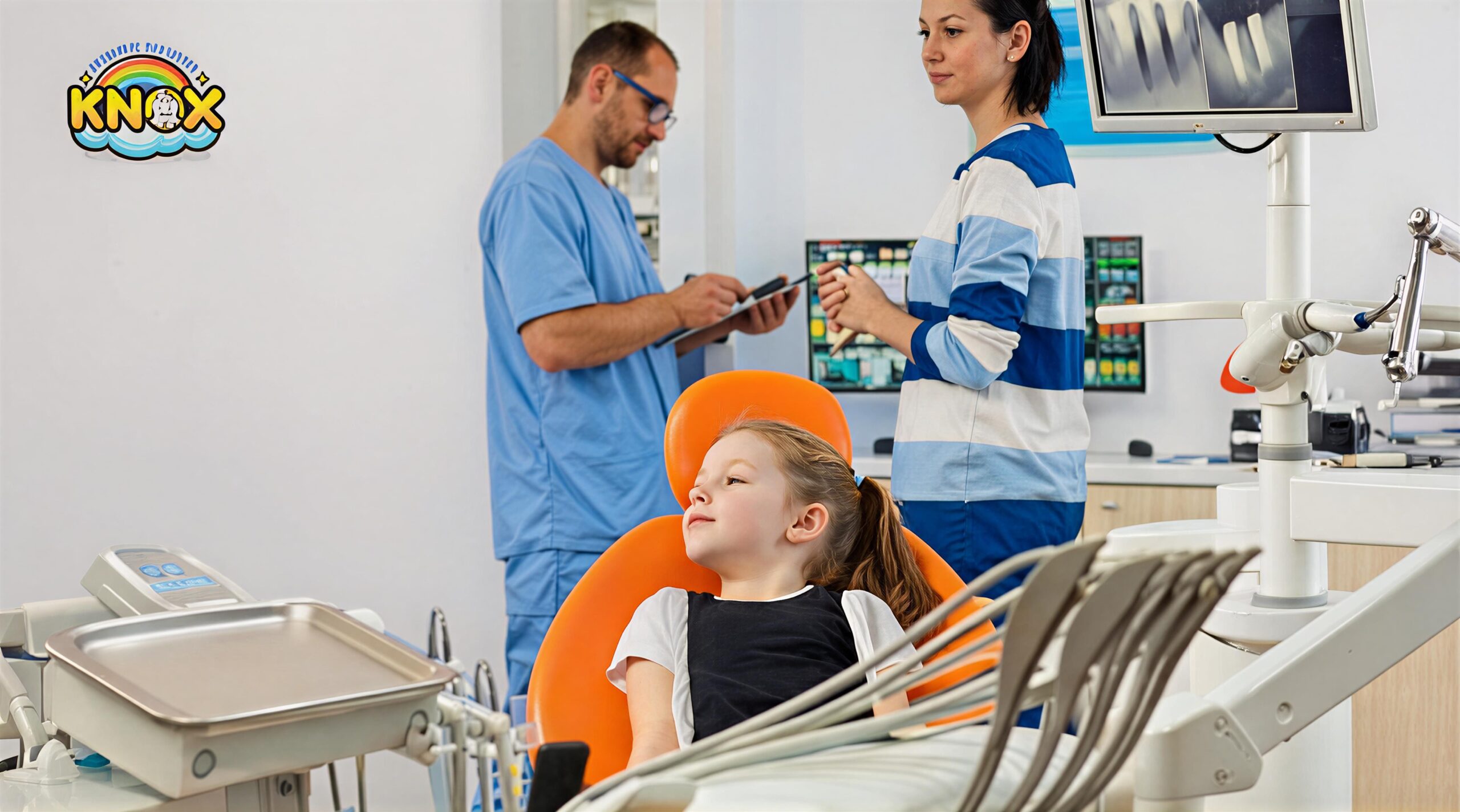
Is your little one nervous? That leads to a calm baby’s first dentist appointment, where we mostly just count teeth and high-five.
Early Detection and Treatment
Let’s be honest: nobody wants their kid to face a mouthful of metal later because a stray molar decided to go rogue today.
It’s about more than just dodging cavities. At Knox Pediatric, we’re big believers that preventive dentistry for children starts with those tiny, early milestones.
We watch how those pearly whites emerge and how jaws align. Sometimes, a wiggle is just a wiggle. Other times, it’s a roadmap.
Prioritizing pediatric dental care now saves everyone a massive headache later. It just makes sense.
Establishing Good Habits
Tiny teeth are a big deal. We know that getting a wiggly toddler to sit still for a scrub feels like an Olympic sport. It’s messy. Sometimes there’s crying; usually from the grown-ups.
But here’s the thing: preventive dentistry for children starts with those small, daily habits.
That leads to our favorite pediatric dental care tips for parents, like why using a timer during brushing is a total game-changer.
Addressing Oral Habits
Is your little one still treating their thumb like a gourmet snack?
It’s a common habit, but those tiny suctions can actually nudge growing teeth out of alignment. We see it all the time at Knox Pediatric.
Preventive dentistry for children isn’t just about the drill and fill; it’s about guiding jaw growth before things get wonky. It’s tricky.
But here’s the thing: catching a pacifier bite early saves years of braces.
Our pediatric dental care tips focus on gentle habit-breaking. We’ll help your kiddo ditch the thumb without the drama.
Establishing a Healthy Oral Hygiene Routine for Kids
Let’s be honest: trying to brush your kid’s teeth sometimes feels very challenging.
But getting those habits locked in early is the secret sauce for preventive dentistry for children. It isn’t just about avoiding cavities; it’s about setting the stage so they don’t fear the chair later on.
Most parents wait too long for that baby’s first dentist appointment, but the pros suggest going by age one or when that first little tooth peeks through the gums.
I remember being shocked that my daughter’s teeth touched so early; I wasn’t ready for the flossing battle! These pediatric dental care tips aren’t about perfection every single night. It’s about the rhythm.
You’re building a foundation. Keep it light, keep it consistent, and eventually, they’ll stop trying to eat the toothbrush. Mostly.
The Two-Minute Drill
Speed-brushing doesn’t count here. You need two full minutes of actual contact.
Do it once in the morning and once right before they hit the pillow. Bedtime is the big one because sugar just sits there overnight otherwise.
Use a soft-bristled brush. Kids’ gums are sensitive, and you don’t want to scrub them raw.
Sometimes playing a catchy song helps pass the time. If the music stops and you’re still scrubbing, you’re winning.
The Great Toothpaste Debate
Quantity matters more than you’d think. You only need a single grain-sized smear of fluoride toothpaste if your child is younger than three.
Level up to a pea-sized dollop once they reach that three-to-six window. Because it smells like bubblegum, it’s tempting to glob it on, but less is definitely more.
Enamel benefits greatly from fluoride, but toddlers are still learning how to avoid ingesting it.
Flossing Matters Early
Don’t wait for the adult teeth to show up before you break out the floss.
As soon as you see two teeth touching, bacteria have a new place to hide. This usually happens somewhere between 8 and 12 months.
Those little plastic flosser picks are a lifesaver here because trying to wrap traditional string floss around your fingers while a toddler squirms is a recipe for disaster.
Just one quick pass between the touching of teeth daily does the trick.
Who’s Actually In Charge?
Independence is great, but most seven-year-olds don’t have the manual ability to actually clean their molars properly.
You’ve got to be the quality control manager until they’re about seven or eight. Let them take the first pass to feel empowered, but then you should go back in and finish the job.
It’s a team effort. If they can’t tie their own shoes or write in cursive yet, they probably shouldn’t be solo-piloting their oral hygiene.
The Spit, Don’t Rinse Rule
It seems counterintuitive. Rinsing with water right away, as we’ve all been taught, simply removes the fluoride that was just applied.
Teach your children to simply walk away after spitting out the excess foam. By leaving that thin film on the teeth, the fluoride has more time to penetrate and fortify the enamel.
Although it initially feels a little untidy, it is revolutionary in terms of preventing cavities. Just spit and go.
The Role of Regular Dental Visits and Professional Cleanings

Skipping the dentist is easy until a tooth starts throbbing.
But those six-month cleanings are the backbone of preventive dentistry for children. They clear out the gritty buildup that a basic toothbrush just can’t nudge.
The “scaling” sound used to plague my dreams when I had to wait too long between appointments. Starting early is preferable. Try to get that baby to see a dentist by the time they are one year old. It creates a feeling of normalcy.
It’s fantastic to follow regular pediatric dental care guidelines at home, but these professional examinations identify the subtle issues before they become an expensive nightmare.
Goodbye, Stubborn Tartar
Brushing isn’t a magic wand. Once plaque hardens into tartar, it’s stuck there like burnt-on cheese on a lasagna pan.
Only a professional can scrape that calcified gunk away. If it stays, your enamel suffers, and your gums get angry.
Getting it removed keeps everything smooth and actually clean.
Spotting Trouble Early
Dentists have a keen eye for invisible chaos.
They find tiny cavities or signs of gum disease before you ever feel a twinge of pain. Early detection makes the fix simple and painless.
It beats waiting for a full-blown root canal. Catching things now saves a lot of future tears.
Evicting Gum Disease
Gingivitis is a quiet thief. It starts with a little redness and can end with losing teeth if you aren’t careful.
Regular professional cleanings keep those bacterial colonies from moving in permanently.
It’s the best way to ensure your gums stay pink, firm, and tucked tightly against your teeth.
A Polished Glow
There’s a specific, squeaky-clean feeling you only get after a professional polish.
It scrubs away surface stains from juice or snacks that dull a child’s smile. Their teeth look brighter immediately.
It’s a nice little confidence boost for them to see those pearly whites actually looking pearly again.
The Body Connection
Your mouth isn’t an island. Inflammation in your gums can actually mess with your heart or exacerbate issues like diabetes.
It sounds wild, but keeping a clean mouth protects your entire system.
A healthy smile is basically a shield for your long-term physical well-being. It’s all connected.
Tips Just For You
Every mouth is a little different.
During a visit, the dentist might notice your kid is missing a specific spot in the back left corner.
They’ll give you custom advice on better angles or tools. It’s like having a personal coach for your bathroom sink routine.
Saving Your Wallet
Dental surgery is expensive. Period.
Paying for a simple cleaning twice a year is a drop in the bucket compared to the cost of crowns or implants later.
Think of it as a small investment that prevents a massive financial headache down the road. It just makes sense.
Wrapping Up
Parenting is a marathon, not a sprint. Some nights, getting that toothbrush into a sleepy mouth feels like a monumental achievement.
It’s okay if everything isn’t picture-perfect every single time. Those small, quiet victories, like finally getting them to spit instead of swallowing a glob of paste, are what actually build a healthy future.
I once spent twenty minutes negotiating with my nephew just to floss one molar, and honestly, we both felt like we’d won a championship.
That leads to the real goal: staying consistent. You’re protecting more than just a cute grin; you’re shielding their long-term health.
Don’t let the occasional fussy morning get you down. Knox Pediatric Dentistry is here to partner with you and make sure every milestone is a reason to smile. Keep at it.
Frequently Asked Questions
1. When should I take my child to the dentist for the first time?
Most parents are surprised to learn that they shouldn’t wait a full year to take their baby to the dentist for the first time. The best time to do this is before their first birthday or within six months of getting their first tiny tooth. Getting them used to the idea is more important than cleaning them well. The chair. Getting started early stops a lot of fear from happening later.
2. How often should children visit the dentist?
Twice a year is the standard. These six-month checkups are the heart of preventive dentistry for children. We catch the small stuff, like a tiny bit of enamel erosion, before it turns into a painful problem. Think of it as a tune-up for their smile. If your child has specific issues like frequent cavities, we might suggest coming in more often.
3. How can I prevent cavities in my child’s teeth?
Consistency is your best friend here. Stick to the two-minute, twice-a-day brushing rule and don’t skip the floss once those teeth start touching. One of our favorite pediatric dental care tips is to watch out for hidden sugars in things like gummy vitamins or dried fruit. Those sticky snacks love to hide in the grooves of molars and cause trouble.
4. What should I do if my child has a toothache?
First, don’t panic. Gently rinse their mouth with warm salt water and see if there’s any food caught between the teeth that a quick floss can dislodge. If the pain persists or you see swelling, call us right away. A toothache is usually a sign that something needs professional attention. Avoid putting aspirin directly on the gums, as that can actually cause a burn.