We all know that maintaining oral health is vital for children’s overall health care. Great oral health ensures that kids can eat, speak, play, and learn. However, in today’s modern times, where munching snacks before bedtime or having a scoop of ice cream right before sleeping is increasingly becoming the norm, getting routine dental check-ups is not just a recommendation. It is the key to leading a happy and healthy life for parents as well as kids.
Even though almost 86.9% of children aged 2–17 visited a dentist for oral checkups, the prevalence of baby teeth with dental disease remains as high as 42.5% among younger children aged 1–9. Having a pediatric dental care appointment here acts as a preventive measure to keep your child’s mouth healthy, preventing them from developing gingivitis symptoms or other oral diseases.
Importance of Routine Dental Check-Up
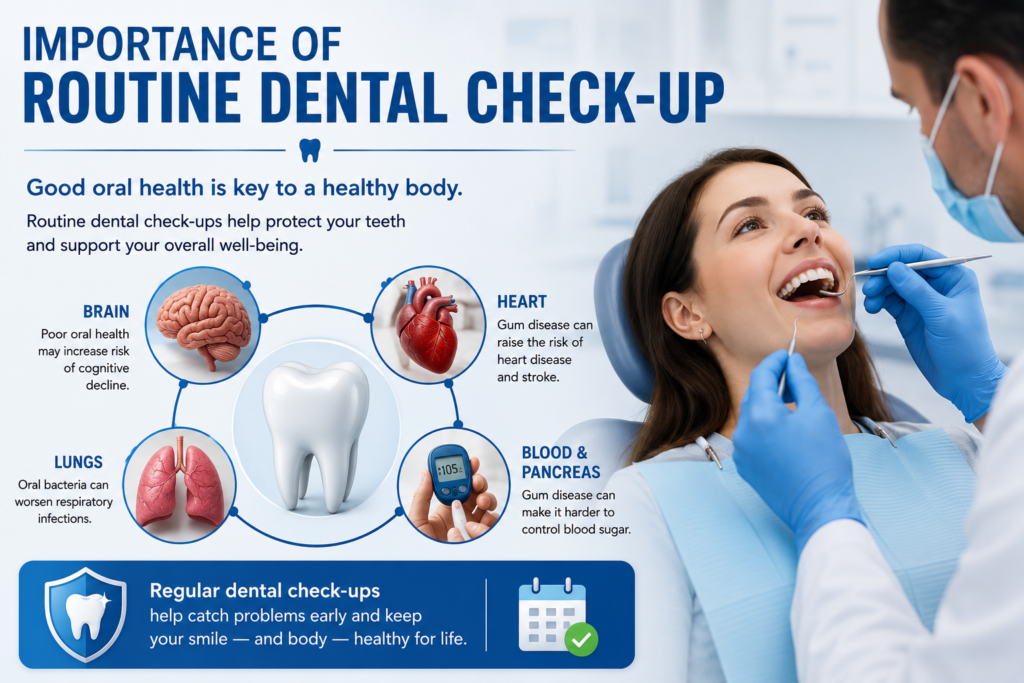
Dental health was never about maintaining your oral health alone. It was more than that; it was about providing a lifelong oral hygiene routine that supports whole-body health.
Almost 100 million Americans have reported skipping the dentist annually. As a result, 41% of adults have permanently lost a tooth to decay or gum disease. This affects a person’s brain, heart, lungs, and even blood.
The Brain
A study conducted at the University of South Florida stated that poor oral health and gum infections are linked to a higher risk of cognitive impairment and Alzheimer’s disease.
The Heart
Studies have shown that poor oral health, such as gum disease or tooth loss, increases the risk of heart attacks and strokes.
The Lungs
Bacteria from periodontal diseases can be inhaled, causing or worsening respiratory infections like pneumonia.
The Blood & Pancreas
Gum disease makes it significantly more difficult to control blood sugar levels in diabetic patients.
Even for Adults, routine dental exams can help detect early signs of several medical conditions, allowing for the best possible outcomes. These include:
- Oral Cancer: Early detection can be identified by a dentist with regular oral checkups, more effectively if caught early.
- Diabetes: Gum disease makes controlling blood sugar levels difficult. Moreover, diabetes also makes gum disease worse.
Benefits of Regular Routine Dental Exams for Children
At a young age, the child’s jaws and teeth are developing. During this time, experts recommend a routine dental check up every six months to catch potential issues like tooth decay and cavities early.
Routine dental check-ups not only ensure your child stays free from issues like cavities, tartar, and gingivitis but also provide many more benefits.
- Prevention of Dental Problems: In children, cavities develop rapidly . An oral check-up can help the dentist find developing problems before they become serious.
- The Monitoring of the Development Process: Children’s milk teeth are gradually substituted with permanent ones throughout their life. A customary dental checkup will help detect any potential problems, such as crowding and misaligned teeth and provide timely treatment, if needed.
- Oral Hygiene Education: Kids learn new things fast and easily, unlike adults. Periodical dental checkups can also teach kids proper oral hygiene for kids practices, helping them develop healthy brushing and flossing habits that can last a lifetime.
- Reduced Fears and Dental Phobias: Being accustomed to regular dental checkups, children become familiar with the environment, thus reducing fears and anxiety.
Here at Knox Pediatric, we do our best to provide you with the finest pediatric dental services in Houston, TX by our board-certified pediatric dentists.
What Happens During a Routine Dental Exam?
The most disciplined oral behavior for a child is brushing their teeth twice and flossing daily. However, their teeth may still need regular dental examinations. If you are wondering how Knoxx Pediatrics will treat your kids’ early dental care.
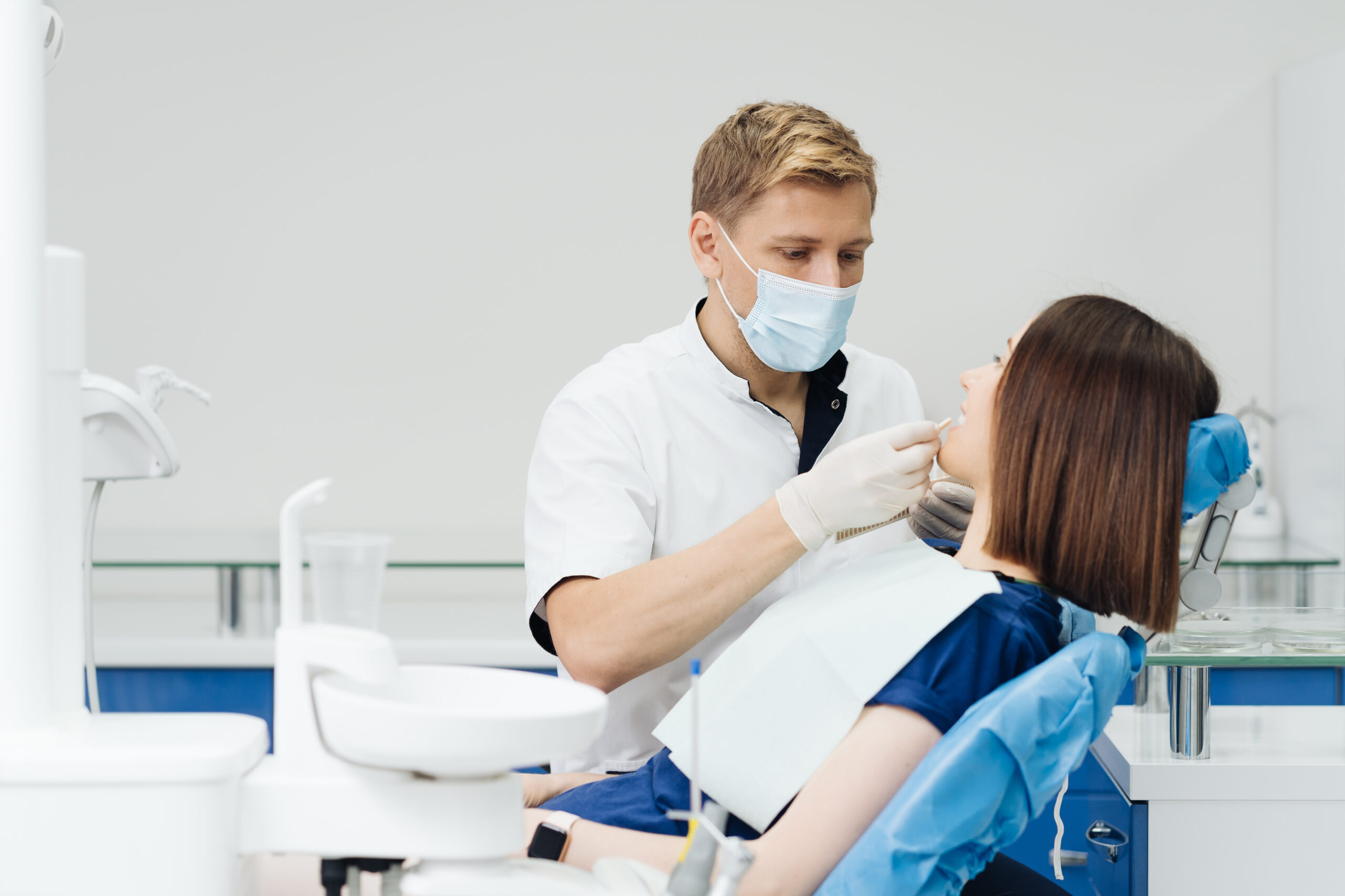
A certified dental assistant will begin your child’s dental check-up with a teeth cleaning, including;
- Use of various tools and instruments to check for decay or cavities in the surface of your teeth.
- They polish your teeth and clean them by removing plaque and tartar, which cause decay.
- They check the development of the baby’s teeth and permanent teeth to identify issues and report their findings to the dentist.
- Take X-rays if ordered by the dentist and provide oral health advice to help maintain healthy teeth and gums.
- They provide dental sealants to prevent decay from molars and premolars.
- In case of a cavity, fluoride treatment is applied during exams to strengthen enamel and reduce cavity risks.
Family Oral Hygiene Tips for Better Dental Health
Oral health maintenance relies on daily practices as well as standards to guarantee that your family stays healthy. Although professional assistance is more efficient with daily practice, keeping your smile healthy demands coordination at home between you and your child.
-
How to Teach Your Child to Brush
Your kids must be infused with a habit of brushing daily for at least two minutes and flossing to keep their teeth clean. Any child must be overlooked till at least seven or eight years of age. To make it enjoyable, you can also set a timer or play some music and keep them engaged in a routine.
-
Selecting the Right Toothbrush and Toothpaste
Your child’s teeth are sensitive. They are probably not permanent yet, and using a hard brush or too much paste can harm their teeth and gums. Teach them to apply only a small amount of toothpaste at first and gradually increase the amount as they age. Moreover, try using a toothpaste that has high fluoride content, as it is known to be effective for preventing cavities.
-
Importance of Flossing for All Ages
Brushing alone does not clean the tight spaces between teeth. You must start flossing your child’s teeth as soon as they have multiple teeth touching each other. Flossing daily helps prevent gum disease and cavities that form where a toothbrush cannot reach.
-
Regular Family Dental Visits
To manage a child’s oral health, preventive dental care through a long-term relationship with a dentist is the best way forward. This familiarity reduces anxiety and ensures the team has a full history of the child’s growth and needs.
-
Healthy Diet for Strong Teeth
Excess sugar in a kid’s diet is the main reason behind tooth decay. Reduce sugary foods and beverages; give your child fluoridated tap water to drink all the time, since it serves as a “shield” for their teeth.
Conclusion: Why Routine Dental Check Up Matters for Long-Term Oral Health
Moving from reactive oral care to preventive dental care treatment will be one of your best moves. Prevention beats a cure any day. A routine dental check-up will help you save money on costly procedures, will avoid any unwanted discomfort, and will promote general wellness.
This kind of maintenance is particularly important for the ALICE households, where an emergency can literally create a crisis in the family budget. Do not wait until pain hits – make sure you attend your dental appointment within 6 months and secure your future smile.
By getting your regular dental checkup, you build up a healthy habit pattern. Your kids will be able to enjoy their food, communicate, and even learn without the distraction of a toothache. With the help of a combination of professional treatments and good hygiene practices at home, your children can keep their smiles forever.
FAQs
- What is the best dental hygiene before and after a check-up?
Always ensure your child brushes and flosses their teeth so the dentist can see the gaps and cavities clearly. After the visit, follow the dentist’s instructions, such as waiting 30 minutes to eat if a fluoride treatment was applied.
- How often should a routine dental check up be done for children?
Most children should visit the dentist every six months. However, if a child is at high risk or there is a bad odor coming from the child’s mouth, the dentist may recommend frequent visits.
- How does a routine dental exam support long-term oral health?
It establishes good habits early, catches developmental issues before they become serious, and protects teeth with treatments like fluoride and sealants.
- When is the best age to start taking my kids to regular check-ups?
The first visit to the dentist should be made by the first birthday of the child or within six months of the appearance of the first tooth.
- Why is it necessary to clean teeth during a dental check-up?
Dental experts have instruments with which tartar can be removed easily and effectively. These instruments are significantly more valuable than simple brushing and will protect your kids’ gums and teeth from inflammation and decay.
- What makes Knox Pediatric Dentistry the best choice for my kid’s dental services?
A board-certified pediatric specialist, like Dr. King and Dr. Pisheh at Knoxx Pediatric Dentistry, can perform their job effectively and with ease because of the unique training provided to them. Their values lie in being gentle with every encounter so the child feels safe and valued.