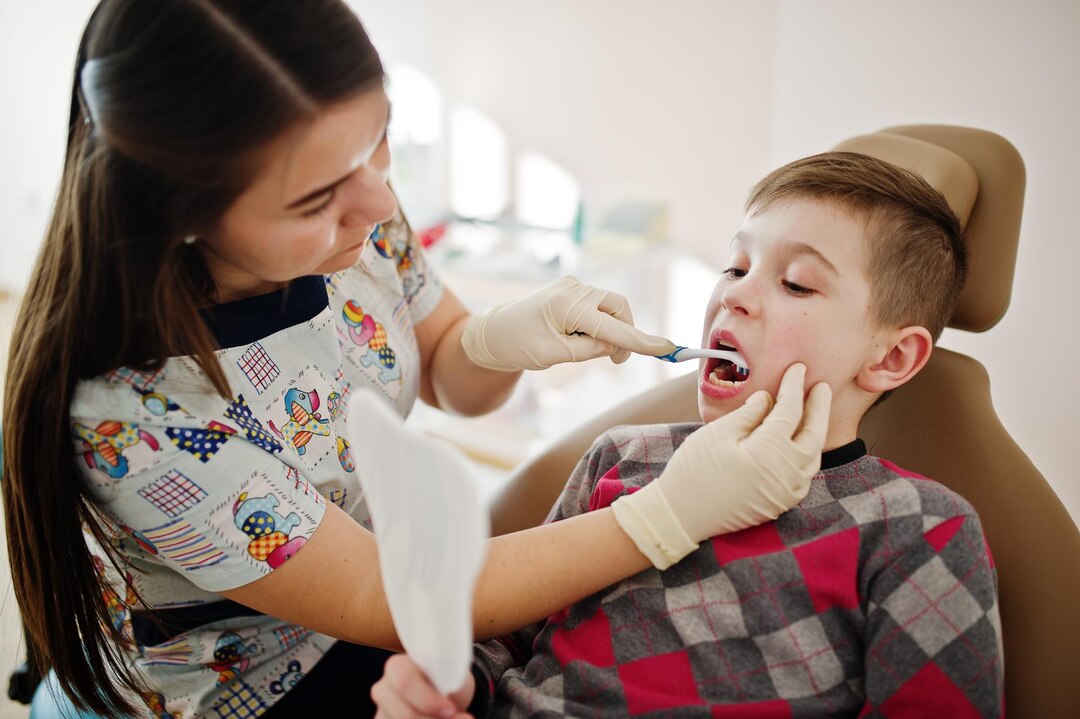
It takes hundreds of dollars to restore damaged teeth or treat cavities. However, there is an inexpensive solution to the problem of dental sealants for kids. They are applied on the chewing surface of children’s molars and create a thin layer that prevents food particles and bacteria from getting stuck in those areas that are not easy to clean.
Did you know that resin sealant has a high retention rate of up to 80% after 2 years, whereas glass ionomer sealants is 44%.
The primary benefit of the dental sealant application is that it will significantly reduce future expenses related to dental visits. The sealants will prevent any problems with children’s teeth in the future, and thus, the need for dental treatments will be minimal. Most dentists and school authorities advise parents to use sealants for their children because they are fast, effective, and harmless.
So What Are Dental Sealants for Children?
Now, let us do some serious thinking about this issue. When we check the back portion of our child’s mouth, we see that the teeth they possess contain several ridges and grooves. While this makes teeth excellent at grinding food, this is where plaque is allowed to grow because it becomes difficult to brush off food particles trapped inside the grooves of the teeth.
In no time, the bacteria present in our mouth realize that they can develop colonies within the grooves of the teeth. Once they have settled down here, the process of eating up the food particles trapped within starts. They begin producing acids, which eventually lead to tooth decay. This does not happen due to bad dental hygiene. It occurs due to our tooth structure.
In this kids dental emergency guide, dental sealants are described as a protective treatment where a resin or glass ionomer material is applied to the chewing surfaces of teeth to help prevent cavities.
The best thing is that there is nothing to drill at all. You won’t even need an anesthetic shot. And a procedure will be very quick, only one minute per tooth, and children hardly notice anything. At least, this is the case with dental offices like Knox Pediatric Dentistry, where everything is done quietly. For a nervous patient, that is more important than it may seem.
The Real Benefits of Sealants for Kids
Let’s keep this straightforward.
- They actually prevent cavities. Not “may help reduce,” they genuinely cut cavity rates in the teeth they’re applied to. The molars are where most childhood decay happens. That’s exactly where dental sealants for kids go.
- They don’t hurt. At all. There’s no shot, no drilling, no recovery. The dentist cleans the tooth, puts a mild gel on for a few seconds to help the sealant stick, rinses it, dries the tooth, brushes the sealant on, and cures it with a small light. The whole thing per tooth takes a few minutes. Kids who are terrified of fillings usually handle sealants without any issue.
- They last a long time. Kids’ dental sealants typically hold up for five to ten years. Your child’s dentist will check them at every visit. If one chip wears down, it can be reapplied.
- They cover the years when brushing is worst. Elementary school through early high school, those are the years when cavity risk is highest, and brushing habits are most inconsistent. Sealants for kids are essentially a buffer for that exact period.
- They save real money. This isn’t a vague claim. One avoided filling pays for two or three sealants. Most families who’ve had the experience on both ends of this will tell you they wish they’d done the sealants first.
Types of Pediatric Dental Sealants — Because They’re Not All the Same
There are several materials that a dentist can select for dental sealants, but it is useful to understand some basic things.
- The resin sealant is considered the best material due to its excellent adhesion properties, strength, and the absence of Bisphenol-A in modern versions of sealants. The resin sealant is used most of the time; therefore, when someone says “dental sealants”, they are talking about this kind of sealant.
- Glass ionomer sealants can be employed in cases where a child has a partly erupted tooth. The reason is that such sealants are more tolerant to moisture, which makes their application easier in case of a molar still buried in gums. Besides, glass ionomer sealants contain fluoride, which provides additional protection.
- Resin-modified glass ionomers occupy an intermediate position between pure resins and glass ionomers as they inherit the longevity of the former material and fluoride-releasing property of the latter.
- Which one goes on your child’s teeth? That depends on how old they are, which specific teeth are being treated, and a few clinical factors your dentist will assess. The team at Knox Pediatric Dentistry goes through all of this with families before doing anything you won’t be left guessing.
Why Sealants for Kids Deserve More Attention Than They Get
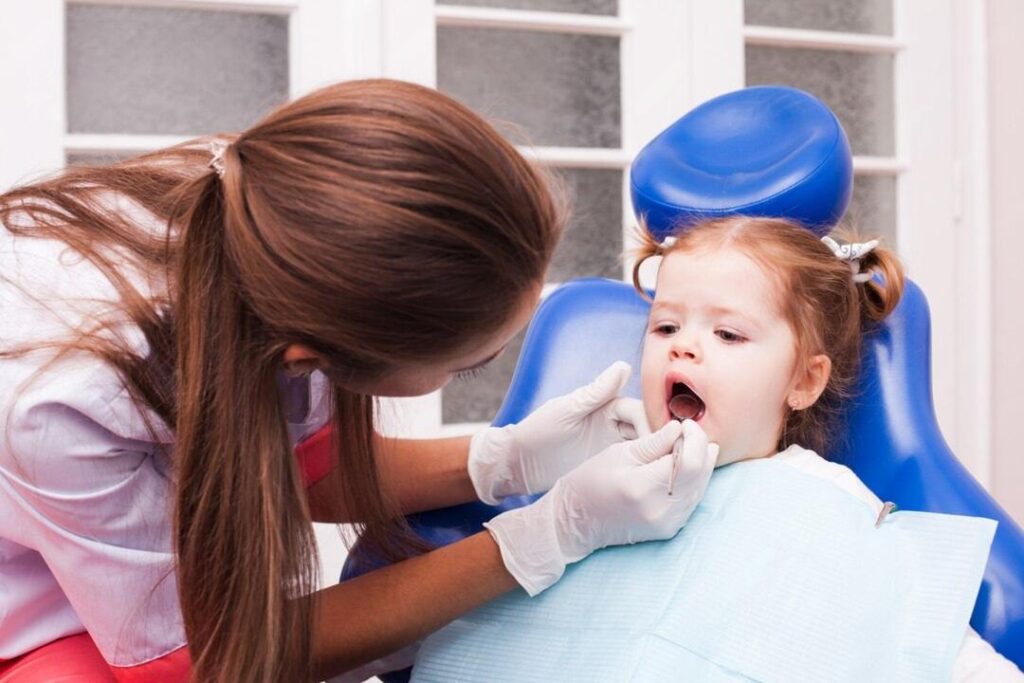
Sealants for kids don’t get nearly the press they deserve. Everyone knows about fluoride. Everyone’s heard about flossing. Kids’ dental sealants? A lot of parents don’t even know how to ask about them.
According to the CDC, children without sealants are three times more likely to develop cavities. This cavities in children guide highlights how sealants can prevent up to 80% of cavities, providing protection beyond brushing alone.
Here are some benefits for families:
- Fewer fillings, which means less money spent and one less stressful appointment for a child.
- No escalation of problems. A cavity that doesn’t get caught early can turn into a crown situation or worse. Sealants interrupt that progression before it starts.
- Less time away from work and school. There’s nothing like an emergency trip to the dentist during your busiest day.
- Long-term coverage. Children’s dental sealants can stay on the teeth for anywhere between five and ten years when taken care of.
- Not a replacement for brushing and limiting sugar intake. Sealants are meant to be used in addition to these. They fill in the spaces that brushing simply cannot reach. And these spaces contribute greatly to cavity formation.
When to get Sealants
The whole point of sealants for kids is to get them on early. Before cavities have a chance to form.
Based on guidelines, here’s when dental sealants for children are most valuable:
- Age 6: First permanent molars erupt. They will stay there in the child’s mouth until he or she dies.
- Age 12: Second permanent molars erupt. This is when pediatric dental sealants should be done. Just as crucial as the first.
- Ages 9–11: Premolars erupt during this period. Depending on groove depth and cavity history, teeth sealant for kids may be recommended here, too.
Here’s the Honest Thoughts on Sealants
Tooth decay among children is preventable. While it may be common, common doesn’t necessarily mean inevitable. One of the most affordable and effortless preventative measures that parents can undertake is children’s dental sealants, yet somehow, it seems like something not commonly mentioned during every pediatric dentistry appointment.
If your child’s molars have started erupting, but the topic of children’s dental sealants hasn’t come up yet, don’t hesitate to broach the subject yourself. The appointment will be quick, the investment is small, and the results will be significant in terms of oral health down the road.
Make your next visit to Knox Pediatric Dentistry an easy one, with no hidden fees, support for insurance coverage, and a staff that answers all your questions before taking any action. Bring up children’s dental sealants when you’re next there.
Frequently Asked Questions
At what age should children get sealants for the best protection?
The first window is around age 6 when the initial set of molars comes in. The second is around age 12 with the set.
Are sealants for kids long-lasting for everyday use?
Yes, Sealants for children are recommended by both the ADA and AAPD. A very reputable and experienced practice when it comes to pedodontic procedures.
How do kids’ dental sealants compare to fluoride treatments in cavity prevention?
Fluoride works generally in the mouth. It makes enamel strong enough not to be affected by acids. The dental sealants for children affect only the chewing surface of the molars.
How does Knox PD support families looking for affordable and effective dental sealant solutions?
Knox Pediatric Dentistry accepts several insurance policies and will inform you of your total cost before proceeding with any procedure.
Why should parents consider Knox PD when choosing sealants for children’s long-term oral health?
There are various insurance plans accepted at Knox Pediatric Dentistry, and all the costs will be provided to you beforehand.
Are dental sealants painful or uncomfortable for children?
The procedure for placing dental sealants is simple. It consists of cleaning the teeth, conditioning them for a few seconds, applying the sealant, and hardening it using light. Nothing else.