Walk into any pediatric dental clinic, and you’ll find at least one child in the waiting room who does not want to be there. Dental anxiety in children is something these teams deal with every single day, not occasionally, every day. The 20% figure that gets quoted in studies is probably on the lower end. A chunk of anxious kids never even make it to the clinic because their parents stopped booking appointments after things went badly a couple of times.
Here’s what makes it a real problem, though. Dental anxiety in kids doesn’t just sit still. A 6 year old who’s terrified of the dentist doesn’t usually grow out of it on their own – they grow into a teenager who cancels appointments, and then into an adult with dental problems that should have been caught years earlier. The anxiety just quietly does damage the whole time.
So it’s worth actually understanding what’s behind it and what helps.
What Causes Dental Anxiety in Children
There’s almost always something specific driving it, even when it’s not immediately obvious.
A painful or frightening previous experience is the most direct cause. Kids don’t forget those moments easily. One appointment where something hurt more than expected or where they were scared and felt like nobody was paying attention to that is genuinely enough to create a lasting association. The brain makes a note, and it keeps that note.
The clinic environment itself is a bigger trigger than most parents expect. Think about what a young child is actually walking into. Strange smells, unfamiliar sounds, a bright light pointed at their face, and someone they don’t know coming towards them with tools. Nobody’s explained what’s about to happen. For a child that age, that’s not a neutral situation the brain starts looking for an exit.
Parental anxiety feeds into it more than parents usually realise. Children are watching adult behaviour constantly and reading it accurately. A parent who’s visibly tense before the appointment, or who asks the dentist a string of worried questions, or who says things at home like “brush your teeth or the dentist will pull them all out” the child absorbs every bit of that. By the time they’re sitting in the chair, they’ve already inherited someone else’s fear response.
And then there’s secondhand fear stories from an older sibling, something a classmate said, a TV show with a frightening dentist character. Dental anxiety in kids doesn’t need a personal bad experience behind it to feel completely real. Borrowed fear works just as well.
Signs of Dental Anxiety in Kids
It doesn’t always look like a meltdown. Honestly, some of the clearest signs are pretty easy to miss.
Asking “will it hurt?” repeatedly in the days before an appointment is one of them. Not once repeatedly, across multiple days. The child heard the answer. That’s not the point. The anxiety keeps pulling them back to the same question because a reassuring answer only holds for so long before the worry resets.
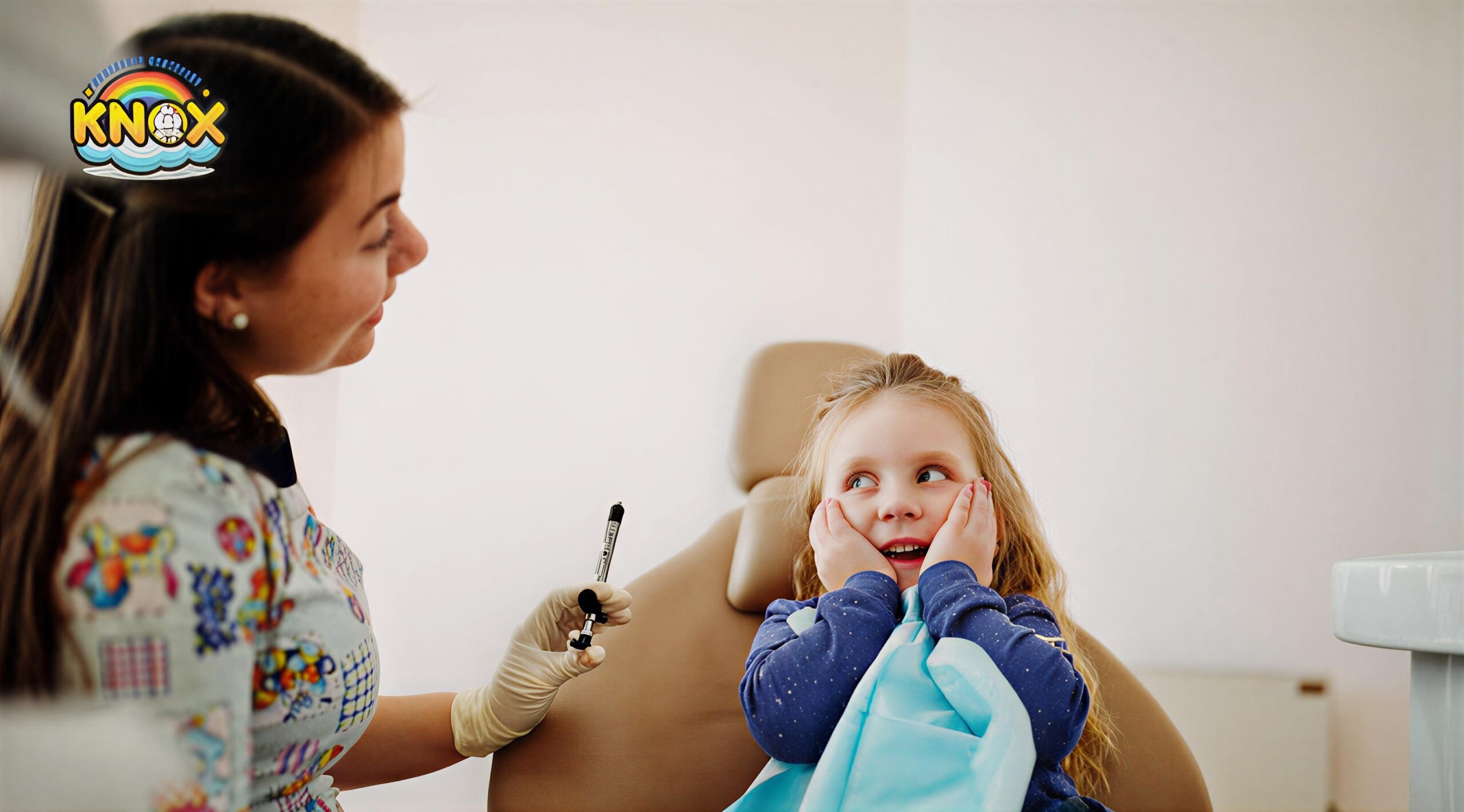
Physical complaints on the morning of an appointment are another one that gets misread constantly. Stomach aches, headaches, and feeling suddenly unwell right before it’s time to leave. Parents often assume it’s an excuse. It usually isn’t. Anxiety produces genuine physical symptoms kids feel it in their bodies the same way adults do, they just don’t have the language to explain what’s happening.
Going completely still and silent in the chair is something a lot of people read as the child cooperating. It’s often not that. It’s closer to a shutdown the child has decided the only option is to mentally check out and wait for it to end. That’s not a healthy response, and it tends to get more entrenched the longer it continues.
The more obvious signs not sleeping the night before, clinging to a parent in the waiting room, crying before they’ve even left the house are the ones most parents catch right away. It’s the quieter stuff that slips through.
Tips for Easing Dental Anxiety in Kids
Most of this starts at home, not at the clinic.
Don’t make the appointment into a big event. Mention it a day or two before, in the same tone you’d use to mention anything else on the weekly schedule, and leave it there. The longer the build-up and the more reassurance gets piled on, the more the child’s brain registers that this is something requiring reassurance, which is the opposite of the message you’re trying to send.
Drop the dentist-as-threat thing entirely. It’s an easy habit to fall into, and it does real damage. When dental visits get framed as a punishment or a consequence, children build their fear around exactly that framing. It’s a hard association to break once it’s in place.
Plain information helps more than emotional reassurance does. “The dentist is going to look at your teeth, count them, clean them that’s what happens” gives a child something concrete to hold onto. What anxiety feeds on is uncertainty. The actual reality of a routine appointment is usually much less frightening than whatever the child has been imagining.
Give them some degree of control. Let them bring something familiar from home. Let them know they’re allowed to signal if they need a moment to pause. Children who feel completely powerless in a situation escalate faster. Even a small amount of genuine agency changes how the experience lands.
Choosing the right clinic also makes a real difference. A practice built around kids’ dental care is a genuinely different environment from a general dental practice the pacing is different, the communication is different, and anxiety is treated as a normal part of the appointment rather than something to push past.
Reducing Anxiety in Pediatric Dentistry — What the Approach Looks Like
Reducing anxiety in pediatric dentistry isn’t a personality thing. The teams that do it well are using specific, practiced methods.
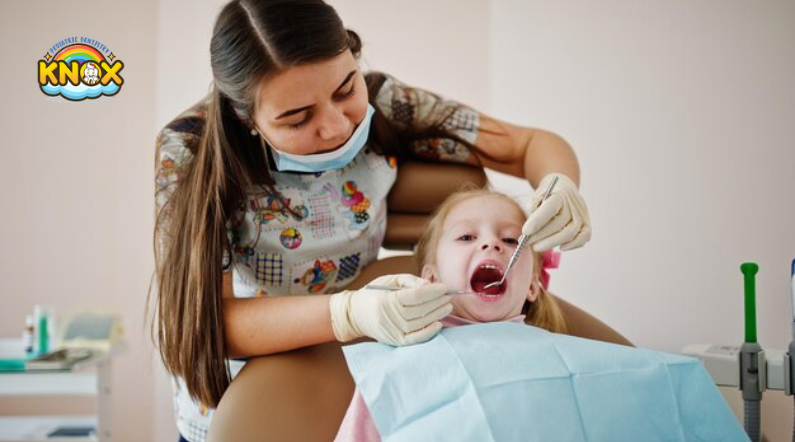
Tell-show-do is the foundation most of them build on. Before any instrument gets used, it gets explained, shown to the child in a non-threatening way often demonstrated on their hand first and only then used. It removes surprise from the equation. Surprise, for a child in a dental chair, is one of the biggest drivers of fear and the easiest one to eliminate.
Distraction is used deliberately, and it actually works. A screen on the ceiling showing something the child already loves, headphones with familiar music, something small to hold during the procedure this isn’t just about comfort. It genuinely redirects the brain’s attention in a way that changes how sensation registers. There’s real evidence behind it.
How the dentist speaks matters more than people outside the profession usually appreciate. A low, steady, calm voice communicates safety in a way that children respond to even before they’ve processed the actual words. Pediatric dentists learn to read how a child is tracking and adjust their tone and pace accordingly it’s a trained skill.
When dental anxiety in kids is severe enough that it’s genuinely getting in the way of safe treatment, nitrous oxide is a well-established, safe option. It takes the edge off without fully sedating the child and clears the system quickly. It’s never the automatic first choice, but it’s an important option to have.
Most good pediatric dental clinics actively encourage parents to stay in the room during treatment rather than waiting outside. For younger children, especially, having a familiar adult present makes a measurable difference to how the whole appointment feels.
Conclusion: Helping Children Overcome Dental Anxiety
Dental anxiety in children is common, understandable, and with the right handling, very manageable. The key is addressing it properly rather than pushing through it repeatedly and hoping the child adjusts.
Children who have consistently calm, well-managed dental experiences do build confidence over time. The fear doesn’t have to be permanent. What it needs is a dental team that knows how to work with children, parents who approach the situation without adding pressure, and enough positive experiences to gradually replace the fear with familiarity.
Good dental habits built in childhood last a lifetime. Getting the anxiety piece right is what makes those habits possible.
Frequently Asked Questions
How does Knox Pediatric Dentistry, a kid-friendly clinic, help in reducing their anxiety?
Knox Pediatric Dentistry is built around children’s comfort. The team uses gentle, anxiety-reducing techniques, works at each child’s pace, and prioritizes trust before treatment. With a calm, kid-friendly environment and unhurried visits, many children who struggled elsewhere become more comfortable over time.
Is sedation always necessary for children with dental anxiety?
No. Most children with dental anxiety respond well to behavioral techniques calm communication, tell-show-do, distraction, and parent presence. Nitrous oxide is available for cases where anxiety is severe enough to affect safe treatment, but it’s discussed with parents beforehand and used only when genuinely needed.
Is dental anxiety normal in children?
Yes, completely. It’s one of the most common things pediatric dental teams manage. Dental visits involve several things that naturally trigger anxiety in children unfamiliar environments, strangers, loss of control, and unexpected sensations. Anxiety is a normal response. What matters is how it gets handled.
What techniques are used for reducing anxiety in pediatric dentistry?
Tell-show-do, distraction through audio and video, positive reinforcement, parent-present appointments, a slower and more explanatory pace, and nitrous oxide when necessary. The specific combination depends on the child’s age, temperament, and the nature of their anxiety.
Why do parents prefer Knox Pediatric Dentistry for kids’ dental care?
Because the practice is genuinely built for children rather than simply adapted for them. The team understands child behavior, the space is designed to reduce fear, and the focus is on how children feel about dental care long-term not just getting through individual appointments. Parents value that their children leave with less fear than they came in with, which makes every future visit easier.