New parents usually ask when do kids lose teeth? Losing those first baby teeth is such a big milestone!
It is completely normal to feel a mix of excitement and stress as your child enters this new stage. While most children start the process around age six, remember that every child develops at their own pace.
Genetics plays a major role in when those wiggly teeth finally decide to come out.
The best approach is to stay calm and keep the experience positive.
Encourage your child to wiggle the tooth gently, but avoid forcing it before it is ready, as this can cause unnecessary discomfort. As those permanent teeth begin to emerge, maintaining a solid oral hygiene routine is essential.
According to the Centers for Disease Control and Prevention (CDC), about 1 in 5 children aged 5–11 have at least one untreated cavity, and children from low-income households are more likely to experience tooth decay.
If you ever feel concerned about the timing of tooth loss or the alignment of incoming teeth, it is a great idea to schedule a checkup with a pediatric dentist in Houston to ensure everything is progressing perfectly.
At Knox Pediatric Dentistry, our experienced pediatric dentists guide parents through every stage of dental care, from the first dental visit for kids to regular checkups.
So, if you are ready to learn more, let us go through everything step by step.
When do Kids Lose Teeth: Tips From Pediatric Dentist in Houston
Most children start losing baby teeth between ages six and seven. This stage is an important part of their growth.
Permanent teeth slowly push up from beneath the gums. As they grow, the roots of baby teeth dissolve. This causes the baby teeth to loosen and eventually fall out.
According to the American Dental Association, most children lose all of their baby teeth by the age of twelve or thirteen.
Regular visits to a pediatric dentist during this time help ensure that teeth are developing properly and that a child’s oral health stays on track.
Why Baby Teeth Matter for a Child’s Dental Health
Some parents think baby teeth are temporary and not very important.
In reality, they play a major role in a child’s development.
Here is how baby teeth support healthy growth:
- Help children chew food properly
- Support speech development
- Maintain space for permanent teeth
- Encourage proper jaw growth
- Build confidence with a beautiful smile
When tooth decay affects baby teeth, it can impact permanent teeth later. That’s why dentists emphasize good dental care for children during early childhood.
At Knox Pediatric Dentistry, our dentists focus on preventive care to protect children’s teeth at every stage.
When do kids lose teeth A Pediatric Dentistry Timeline
Kids usually lose their baby teeth in the same order they appeared.
The process often begins with the lower front teeth and continues gradually over several years.
Here is a general timeline parents can keep in mind.
| Baby Tooth | Average Age Tooth Appears | Average Age Lost |
| Lower Central Incisors | 6 to 10 months | 6 to 7 years |
| Upper Central Incisors | 8 to 12 months | 6 to 7 years |
| Upper Lateral Incisors | 9 to 13 months | 7 to 8 years |
| Lower Lateral Incisors | 10 to 16 months | 7 to 8 years |
| First Molars | 13 to 19 months | 9 to 11 years |
| Canines | 16 to 23 months | 9 to 12 years |
| Second Molars | 23 to 33 months | 10 to 12 years |
Most children lose 20 baby teeth in total.
Regular dental visits help dentists monitor this process and identify any early concerns.
During routine appointments, a child-friendly dentist may perform an oral exam and recommend dental X-rays when needed.
The experienced pediatric dentists in Houston at Knox Pediatric Dentistry help monitor a child’s dental development and ensure that permanent teeth grow in the correct position.
Signs Your Child Is About to Lose a Tooth
Parents often notice small signs before a tooth falls out. These changes are a natural part of the transition from baby teeth to permanent teeth.
Common signs of a loose tooth:
- A tooth that wiggles when touched
- Slight discomfort while chewing
- Red or tender gums near the tooth
- A permanent tooth starting to appear behind the baby tooth
- Small gaps forming between teeth
Some children feel excited when a tooth becomes loose. Others may feel nervous.
A caring pediatric dental team can help children feel comfortable and confident during this stage.
Pediatric Dental Services That Support Growing Teeth
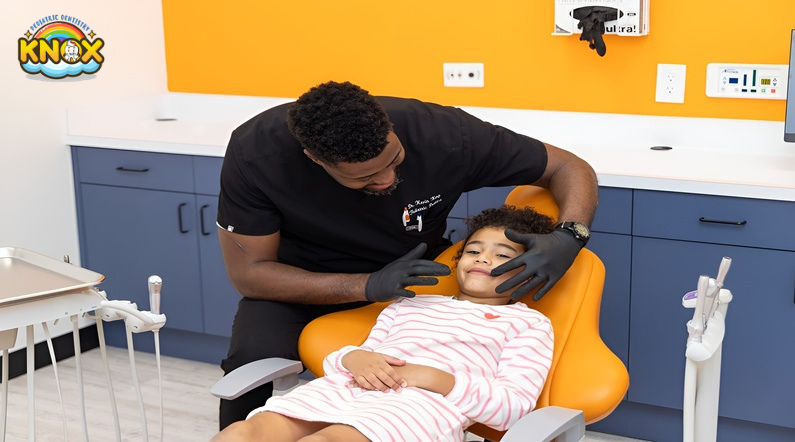
As children grow, their dental needs also change.
This is why regular pediatric dental care is important for maintaining healthy teeth and gums.
Common pediatric dental services include
- Child dentist teeth cleaning to remove plaque
- Routine dental exams to monitor tooth development
- Fluoride treatment to strengthen tooth enamel
- Dental X rays to evaluate tooth alignment
- Preventive treatments to help prevent cavities
- Fillings using tooth colored material for cavities
These services support healthy development and protect a child’s oral health as permanent teeth begin to appear.
Experienced teams at Knox Pediatric Dentistry provide comprehensive pediatric dental care to help children maintain healthy smiles as they grow.
The Dental Care for Children: During the Tooth Loss Stage
Some stages in a child’s development need extra attention. The tooth loss stage is one of them.
Children may avoid brushing when their teeth feel loose or uncomfortable. This is where parents need to encourage healthy habits.
Simple dental care habits for kids:
- Brush twice a day with fluoride toothpaste
- Floss daily to remove plaque between teeth
- Drink water after meals
- Avoid sugary drinks and snacks
- Visit the dentist every six months
These habits help prevent cavities and support the healthy growth of permanent teeth.
Common Dental Problems that Develop During the Baby Teeth Stage
Children may experience a few dental issues while their baby teeth develop and begin to fall out.
Most of these problems can be managed easily when they are detected early.
Dental problems parents should watch for:
- Tooth decay in baby teeth
- Crowded or overlapping teeth
- Early loss of baby teeth
- Sensitive or swollen gums
- Plaque buildup on teeth
Regular dental visits with a pediatric dentist in Houston can help identify these issues early and prevent them from becoming more serious.
When Should Parents Take Their Child to a Pediatric Dentist in Houston?
Sometimes parents worry that tooth loss may be happening too early or too late.
A dental visit can help answer these concerns and ensure that a child’s teeth are developing properly.
Schedule a dental visit if you notice:
- Teeth falling out before age four
- Permanent teeth erupting in unusual positions
- Severe pain or swelling
- Bleeding gums
- Signs of infection
A professional oral exam helps dentists identify the cause quickly and recommend the right treatment.
At Knox Pediatric Dentistry, the pediatric dental team focuses on providing comprehensive care for every child.
Their goal is simple.
To keep every child’s smile healthy and strong.
How Pediatric Dentists Help Children Feel Comfortable
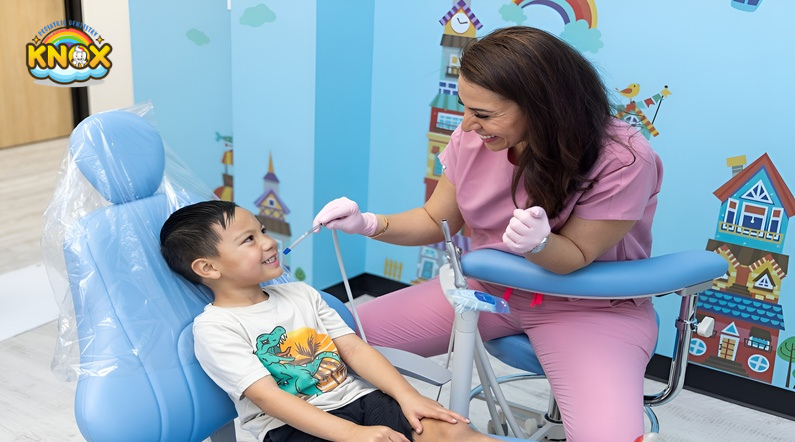
Many kids feel nervous about visiting the dentist.
Experienced pediatric dentists understand this challenge. They create an environment designed specifically for children.
A supportive pediatric dental office often includes:
- Friendly desk staff
- Kid focused waiting areas
- Gentle communication
- Positive encouragement
- Clear explanations of each dental procedure
This approach helps build trust.
Children begin to understand that dental visits are safe and helpful. That comfort supports lifelong dental health and positive oral care habits.
How Parents Can Support Pediatric Dental Care at Home
Healthy habits at home are essential for maintaining strong teeth.
Parents play a major role in supporting their child’s daily dental routine.
Healthy dental habits for kids:
- Brush teeth twice each day using fluoride toothpaste
- Help younger children brush properly until they develop good technique
- Encourage daily flossing once teeth begin touching
- Choose healthy snacks like fruits, vegetables, and dairy products
- Limit sugary drinks and sweets
- Encourage children to drink water after meals
These simple habits help protect a child’s dental health and reduce the risk of cavities.
Questions Parents Often Ask During a Dental Visit
Parents often have many questions during routine dental exams.
A knowledgeable pediatric dentist helps guide families through each stage of a child’s dental development.
Questions commonly asked by parents:
- Is my child losing teeth at the right age
- Are permanent teeth coming in correctly
- Does my child need fluoride treatment
- Are dental X rays necessary
- How can we prevent cavities at home
- How often should we schedule dental visits
A supportive dental team provides clear answers and helps parents feel confident about their child’s dental care.
Tips to Help Kids Feel Comfortable During Dental Appointments
Some children feel nervous before visiting the dentist.
Parents can take simple steps to make the experience easier and more positive.
Ways to prepare children for a dental appointment:
- Talk about the dentist in a positive way
- Avoid using scary language when describing dental procedures
- Read books about visiting the dentist
- Schedule appointments earlier in the day
- Bring a favorite toy for comfort
A welcoming pediatric dental office also plays an important role in reducing anxiety.
Friendly staff and gentle communication help children feel relaxed during their appointment.
Long Term Benefits of Pediatric Dental Care
Strong dental habits formed in childhood can last a lifetime.
Regular pediatric dental care supports healthy growth and protects a child’s oral health.
Benefits include:
- Fewer cavities
- Better oral hygiene habits
- Early detection of dental problems
- Strong permanent teeth
- Greater confidence in a child’s smile
Studies show that children who receive routine pediatric dentistry care are far less likely to experience serious dental problems later in life.
Healthy habits today help protect future oral health.
A Small Tooth Today, A Healthy Smile Tomorrow
Losing baby teeth is an exciting milestone in every child’s life. It marks an important step in their growth and the development of their permanent smile.
Most children begin losing their baby teeth around age six. However, every child develops at a different pace. Understanding the typical timeline helps parents know what to expect and when to seek professional advice.
Maintaining good pediatric dental care, encouraging healthy brushing habits, scheduling regular dental visits, and seeking emergency pediatric dental care when needed all play an important role during this stage.
If parents notice early tooth loss, unusual tooth alignment, or signs of discomfort, a professional dental visit can provide reassurance and guidance.
At Knox Pediatric Dentistry, we support families through every stage of a child’s dental development. From the first dental visit to routine checkups, their goal is simple.
To keep every child’s smile healthy, confident, and bright for years to come.
Frequently Asked Questions
At what age do most children begin losing baby teeth?
Most children begin losing baby teeth around age six. Some children may start earlier at age five, while others may not lose their first tooth until age seven. The process usually begins with the lower front teeth. Over time, other baby teeth loosen and fall out as permanent teeth begin to grow. Most children lose all 20 baby teeth by the age of twelve or thirteen.
Is it normal if my child loses a tooth earlier than expected?
Yes, early tooth loss can sometimes happen. Some children naturally lose teeth earlier than others due to differences in development. In some cases, tooth decay or minor injury can also cause early tooth loss. If a tooth falls out much earlier than expected, it is best to schedule a dental visit. A pediatric dentist can examine the area and make sure the permanent tooth has enough space to grow properly.
What should parents do after a baby tooth falls out?
After a baby tooth falls out, children should gently rinse their mouth with water. Mild bleeding may occur, which usually stops within a few minutes. Parents can place clean gauze on the area and apply light pressure if needed. Children should continue brushing their teeth normally but should be gentle around the empty space until the gums heal.
How can parents prevent cavities during the tooth loss stage?
Preventing cavities requires consistent dental care habits. Children should brush their teeth twice each day using fluoride toothpaste and floss daily once teeth begin touching. Limiting sugary drinks and snacks also helps protect tooth enamel. Regular dental checkups, professional cleanings, and fluoride treatments play an important role in preventing tooth decay.
Do children need x rays during pediatric dental visits?
In some cases, dentists recommend X rays to monitor dental development. X rays allow the dentist to see permanent teeth growing beneath the gums and identify cavities that may not be visible during a routine oral exam. Pediatric dentists use child safe techniques and recommend X rays only when necessary for proper diagnosis and treatment planning.
Why is pediatric dentistry important for long term oral health?
Pediatric dentistry focuses on the unique dental needs of infants, children, and teenagers. Early dental care helps detect potential dental problems before they become serious. Preventive treatments, routine exams, and professional guidance help children build strong oral hygiene habits. These habits often continue into adulthood and support long term oral health.