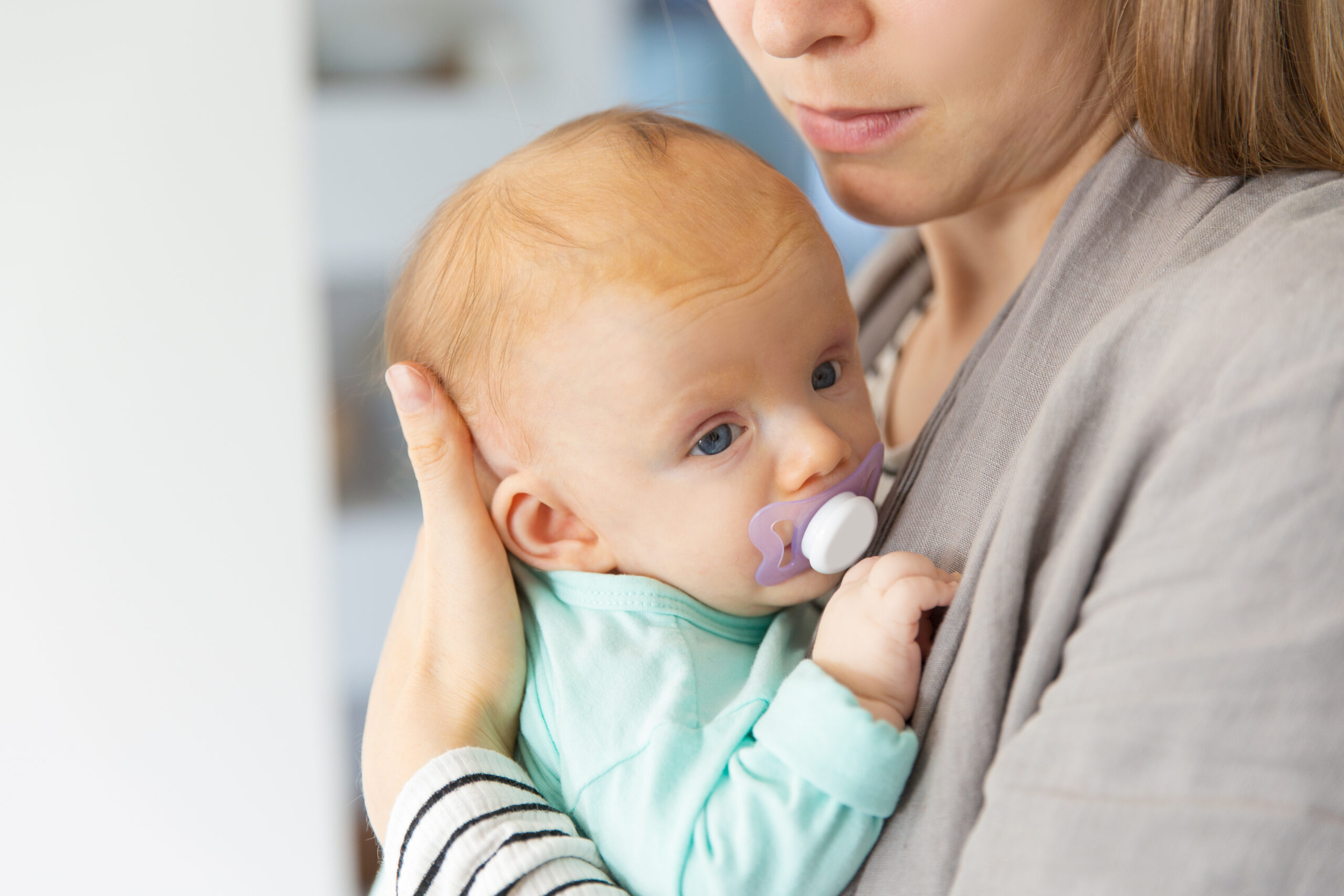
Pacifiers have long been used to comfort and soothe babies during infancy. Many parents rely on them to help calm fussiness, support sleep routines, and provide comfort between feedings. At the same time, questions about safety, breastfeeding, dental development, and long-term use are common. Parents who have concerns about oral development often consult a Houston pediatric dentist to ensure pacifier habits are not affecting their child’s teeth or jaw growth.
Understanding both the benefits and potential drawbacks of pacifier use can help parents make informed decisions. This guide explains how baby pacifiers work, their advantages and disadvantages, important safety considerations, and when they may be most appropriate to use.
What Is a Baby Pacifier?
Pediatricians sometimes call it a “soother” or “dummy,” depending on where you’re from, but it’s the same idea everywhere – a nipple-shaped top attached with a handle so it doesn’t slip too far into a baby’s mouth. The shape hasn’t really changed in decades. What has changed is the material and design, with more brands now making orthodontic versions meant to sit better against developing gums.
Newborn Pacifier vs. Older Baby Pacifier
A newborn pacifier is small and soft, built for a mouth that’s barely a few weeks old. Once a baby grows past the early months, an infant pacifier sized for that stage usually has a slightly firmer nipple. Using the wrong size won’t hurt your baby, but it does make the whole soothing thing less effective, kind of like giving someone shoes two sizes too small and expecting them to walk normally.
Why Babies Like Pacifiers So Much
Babies are born with a natural sucking reflex that extends beyond feeding. Non-nutritive sucking helps many infants feel calm, secure, and relaxed. This is one reason pacifiers can be effective for soothing fussiness and helping babies settle before sleep.
Common reasons babies respond well to pacifiers include:
- They satisfy a natural sucking instinct that is not always related to hunger.
• The repetitive sucking motion can have a calming effect.
• Pacifiers may help some babies self-soothe during periods of stress or discomfort.
Benefits of Pacifier Use for Babies
The real benefits of pacifier use go beyond “it keeps the baby quiet, “While soothing is often the most noticeable benefit, pacifiers can also provide several developmental and practical advantages.
Soothing That Doesn’t Involve More Food
Not every cry means hunger, even though it can feel that way during week one. Pacifiers let parents soothe a baby without reaching for another bottle every time, which matters since overfeeding can lead to spit-up and disrupted sleep.
Useful During Medical Procedures
Pediatricians often hand babies a pacifier, sometimes dipped in a sugar solution, during vaccinations or blood draws. The sucking motion genuinely seems to dull pain perception in infants – there’s actual research behind this, not just tradition. In situations involving dental injuries or urgent oral pain, parents may also seek emergency pediatric dental care to ensure their child receives immediate treatment and comfort.
Choosing the Right Newborn Pacifier
Not every pacifier on the shelf is worth buying, and the wrong pick causes more frustration than comfort.
A few things worth checking before you grab one:
- One-piece construction – fewer parts means fewer choking risks.
- Ventilation holes on the guard, that help reduce skin irritation around the mouth.
- Medical-grade silicone, BPA-free, since it holds up better over months of use than rubber.
- Correct size for age – don’t keep using a newborn pacifier once your baby’s outgrown it.
Skip anything with glitter, fabric trims, or decorative bits glued on separately. Cute doesn’t matter much if a piece can come loose.
Pros and Cons of Pacifiers
Like any parenting product, pacifiers offer several benefits, but they also come with a few potential drawbacks.
What works in their favor:
- Calms babies fast without extra feeding.
- Linked to lower SIDS risk during sleep.
- Helps during painful or stressful medical visits.
- Genuinely useful for parents during travel or errands.
What doesn’t:
- Extended use past age 2 or 3 can shift dental alignment.
- Some babies get so attached that nighttime wake-ups happen every time it falls out.
- Introducing it too early, before breastfeeding is established, can interfere with latch technique.
The pros and cons of pacifiers really come down to timing and moderation more than the object itself being good or bad.
Pacifier Side Effects Parents Should Watch For
Most pacifier side effects only show up with heavy, prolonged use – not from occasional soothing here and there.
Dental Shifts
Years of constant sucking, especially after toddlerhood, can push teeth out of alignment or slightly change the shape of the roof of the mouth. Dentists generally recommend weaning children off pacifiers by age 2 to help avoid this.
Possible Speech Delays
A few speech therapists have pointed out that toddlers who keep a pacifier in almost constantly get fewer chances to practice the mouth movements needed for early speech sounds. It’s not automatic, but it’s worth paying attention to if your toddler seems behind on talking.
Mild Skin Irritation
Drool collecting around the pacifier guard can sometimes cause a small rash on the chin. A quick wipe after each use usually takes care of it.
Are Pacifiers Bad for Babies?
In general, no. Whether pacifiers are considered harmful depends largely on how long they are used and whether recommended guidelines are followed.
How to Wean Your Baby Off a Pacifier
This trips up a lot of parents, mainly because toddlers get attached fast and do not appreciate having their comfort object yanked away overnight.
A few approaches that tend actually to work:
- Limit it gradually – only naps and bedtime, instead of all day.
- The “pacifier fairy” story works well once a toddler can understand the idea of trading it for a small toy.
- Snip the tip slightly, a trick some parents use to make sucking less satisfying so interest fades naturally.
- Offer a replacement comfort item, like a soft toy or blanket, during the switch.
Patience matters more than the method here. Some kids let go within days, while others may need several weeks to adjust.
Wrapping This Up
A baby pacifier can be a useful tool for comfort and soothing during infancy when used appropriately. Benefits such as calming fussiness, supporting sleep, and helping during stressful situations make pacifiers a popular choice for many families. However, proper sizing, regular replacement, and timely weaning are important to reduce the risk of dental concerns or developmental issues.
By following recommended safety guidelines and using pacifiers in moderation, parents can enjoy the benefits while minimizing potential drawbacks.
FAQs
Is a newborn pacifier safe for sleeping?
Yes. Most guidelines support pacifier use during sleep, and it’s even linked to a lower risk of SIDS, though it shouldn’t be attached to a string or clip inside the crib.
What are the pros and cons of pacifiers?
Pros include fast soothing and reduced SIDS risk. Cons include possible dental shifts and dependency if the habit continues too long.
Are pacifiers bad for babies in the long term?
Not if weaning happens by age 2 or 3. Long-term issues mostly come from use that continues well past toddlerhood.
What are the main benefits of pacifier use?
Quick soothing, fewer unnecessary feedings, lower SIDS risk during sleep, and pain relief during medical procedures.
What pacifier side effects should parents know about?
Dental misalignment, possible speech delays with heavy long-term use, and occasional skin irritation around the mouth.
When should an infant’s pacifier be replaced?
Roughly every 4 to 6 weeks, or sooner if it looks cracked, discolored, or sticky.
Can pacifiers interfere with breastfeeding?
They can, if introduced too early, before nursing is well established. Most pediatricians suggest waiting three to four weeks first.
At what age should babies stop using pacifiers?
Most dentists recommend weaning somewhere between ages 2 and 3 to avoid dental and speech complications.