01 · PLAN AHEAD
Share What Works
Tell the team about communication preferences, triggers, calming strategies, previous dental experiences, and your priorities for the visit.
Special Needs Dentistry · Houston, Texas
Thoughtful pediatric dental care for children who may need more time, a different communication approach, sensory consideration, mobility support, or coordinated medical planning.
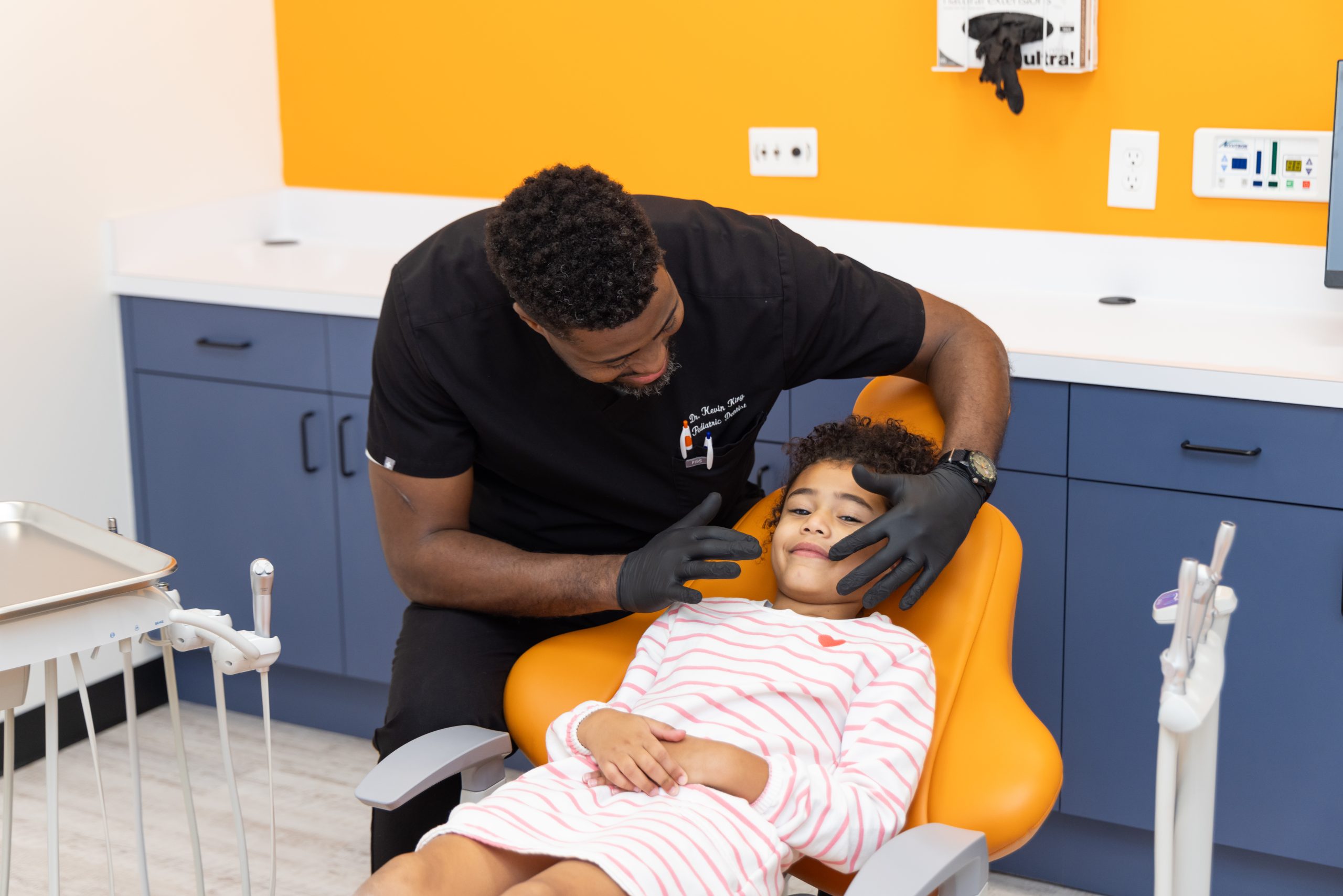
Dr. Kevin T. King II · Board-Certified Pediatric Dentist
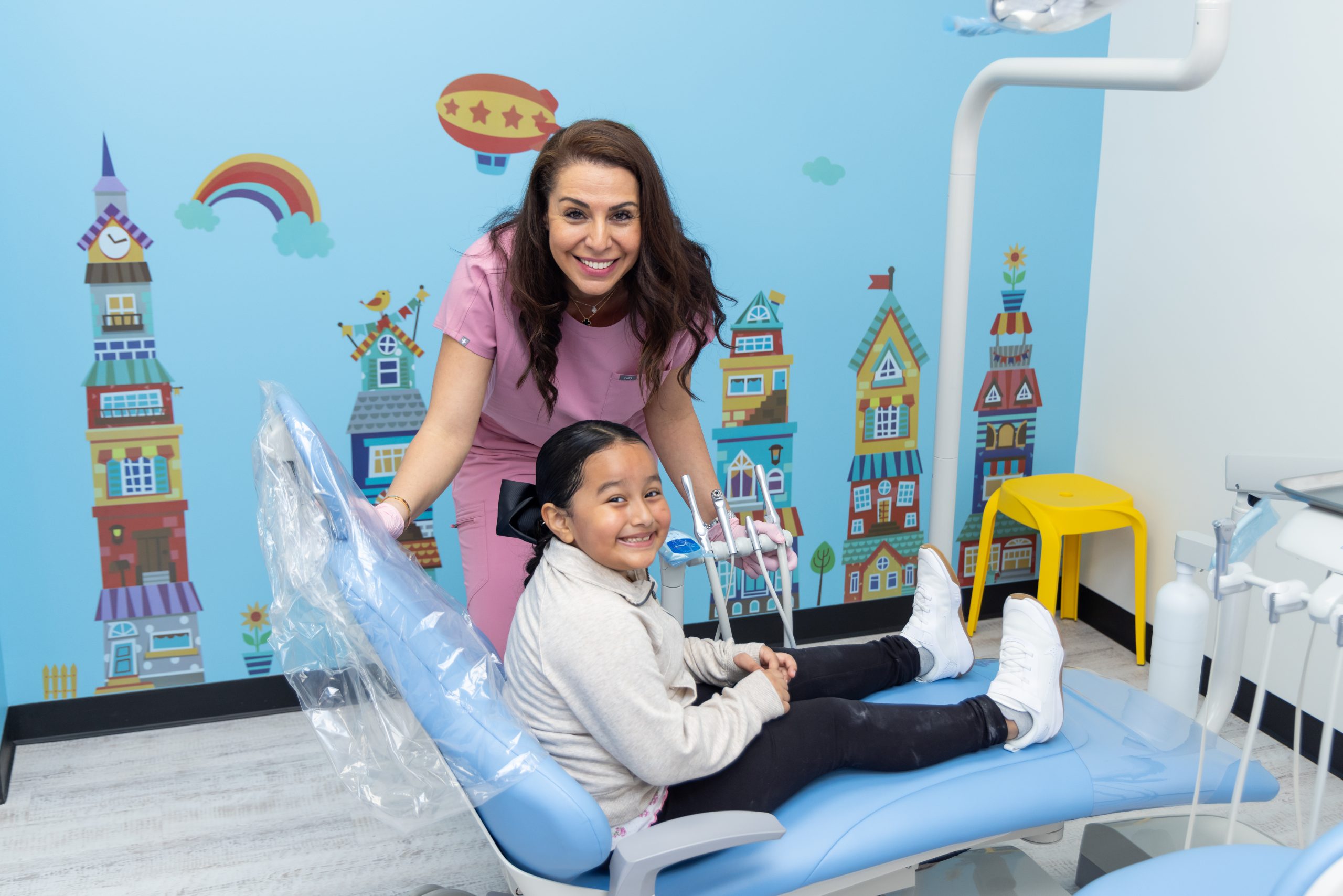
Dr. Sharareh Pisheh · General Dentist
No one-size-fits-all visits.
Tell the team what helps your child feel safe and understood.
Before the visit
Thoughtful planning with parents and caregivers
During the visit
Communication matched to the individual child
When helpful
Sensory and pacing considerations discussed in advance
For complex needs
Medical coordination when clinically appropriate
A Different Kind of Dental Visit
At Knox Pediatric Dentistry, planning begins with the child—not a template. The team wants to understand how your child communicates, what may cause distress, what helps them regulate, and what a successful appointment realistically looks like for your family.
Some children may complete an examination, cleaning, and preventive care in one visit. Others may benefit from a shorter introduction, a slower sequence, additional breaks, or a visit focused first on becoming familiar with the office and team. Urgent dental needs may require a different plan.
The approach is guided by your child’s health history, oral health needs, comfort, development, communication, and ability to participate safely. Available accommodations should be discussed with the office before the appointment.
How Care Is Personalized
Parents and caregivers know the child best. Sharing practical information before the visit helps the team select the right appointment type and prepare more thoughtfully.
01 · PLAN AHEAD
Tell the team about communication preferences, triggers, calming strategies, previous dental experiences, and your priorities for the visit.
02 · COMMUNICATE
Let the office know whether your child uses spoken language, gestures, pictures, an AAC device, or caregiver interpretation.
03 · ANTICIPATE
Share sensitivities involving sound, light, touch, taste, movement, dental instruments, or waiting-room activity.
04 · PACE
When clinically appropriate, the visit may include pauses, a slower introduction, or care divided into smaller stages.
05 · POSITION
Explain wheelchair, transfer, positioning, head-support, or caregiver-assistance needs so available options can be reviewed before arrival.
06 · COORDINATE
Complex conditions may require records, physician guidance, medical clearance, or coordination with another treatment setting.
What to Expect
The exact sequence varies by child, but these four stages help families understand how an individualized visit may be approached.
01
The team reviews health information, current concerns, previous experiences, communication needs, and the family’s goals.
02
When appropriate, the child can be introduced to the room, chair, team, and instruments in a calm, understandable sequence.
03
The visit may include an examination, preventive care, X-rays, or treatment planning based on comfort, cooperation, urgency, and clinical need.
04
Parents receive clear guidance on findings, options, home care, future visits, and whether another level of support should be considered.
Who May Benefit
A formal diagnosis is not required to tell the office that your child needs more time, communicates differently, has sensory concerns, or struggled during a previous appointment.
This list is not exhaustive. The appropriate plan depends on the individual child and the office’s ability to provide care safely.
Meet the Doctors
Knox Pediatric Dentistry’s published care philosophy centers on treating children with patience, empathy, clear communication, and respect for the individual family.

Board-Certified Pediatric Dentist
Dr. King completed specialized pediatric dentistry training through NYU Langone Hospitals. His approach emphasizes gentle, empathetic care tailored to the individual child.
“If I wouldn’t do it for my child, I won’t do it to yours.”
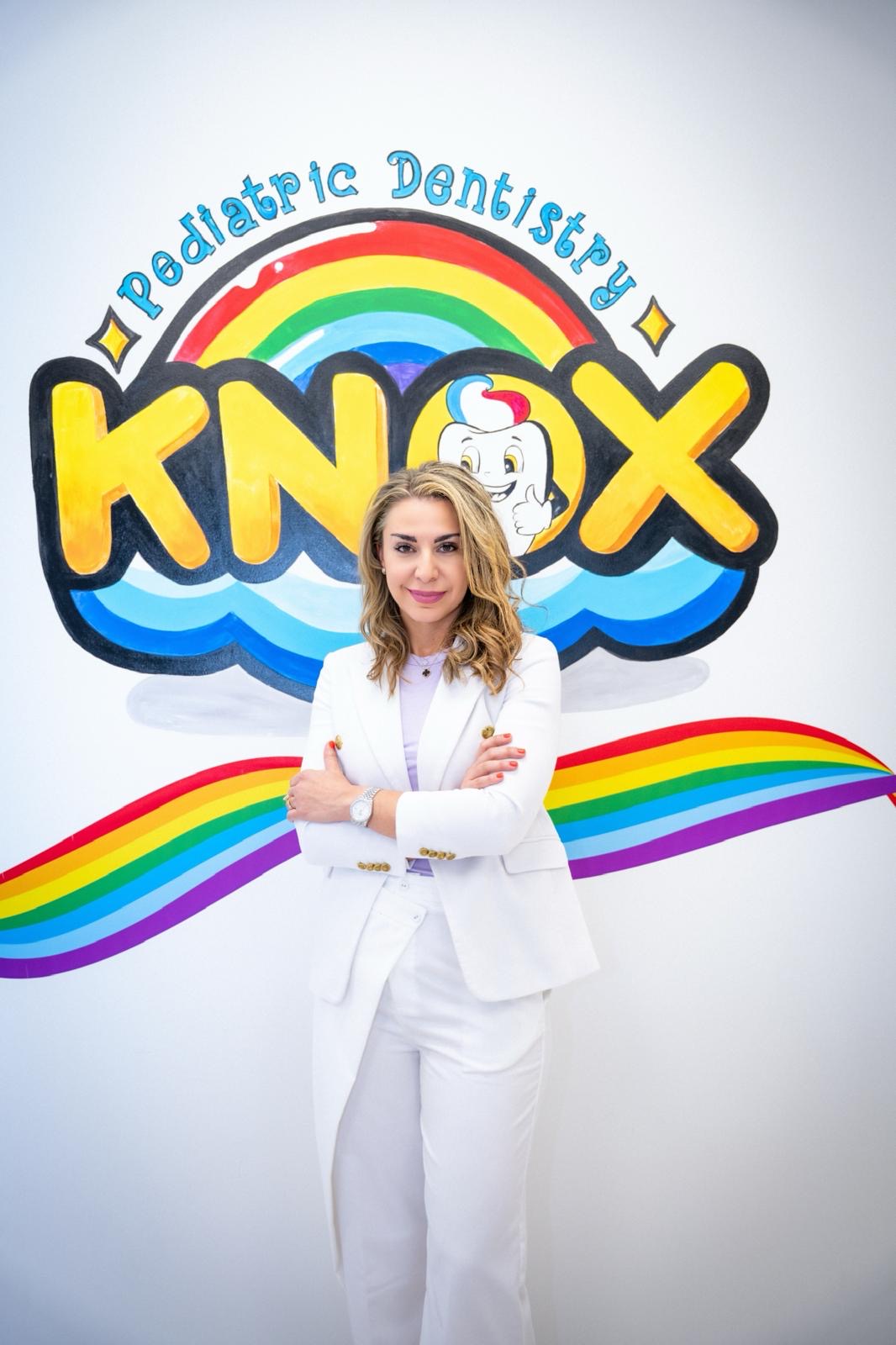
General Dentist
Dr. Pisheh earned her Doctor of Dental Surgery degree from the University of Texas at Houston. Her published biography highlights a trust-first approach that helps children feel safe and valued.
A gentle approach shaped by both clinical experience and her perspective as a parent.
Provider and treatment availability may vary by appointment type.
Before the Appointment
The most useful preparation often comes from a simple conversation before the visit. Bring or share the information below whenever it applies.
When More Support Is Needed
A diagnosis, communication difference, or sensory concern does not automatically mean a child needs sedation. The dentist considers health history, anxiety, development, ability to cooperate, treatment urgency, procedure length, and whether care can be completed safely using non-sedation behavior guidance.
When clinically appropriate, nitrous oxide, oral conscious sedation, or general anesthesia may be discussed after an individualized evaluation. The team should explain the reason for the recommendation, alternatives, risks, preparation, and aftercare before treatment is scheduled.
Questions Parents Ask
These answers provide general guidance. Your child’s medical history, oral health, symptoms, and ability to participate safely can change the recommendation.
Special needs pediatric dentistry is individualized oral healthcare for children whose physical, developmental, sensory, behavioral, cognitive, emotional, or medical needs may require additional planning or accommodations. The dental plan is based on the individual child, not on a diagnosis alone.
Children with autism, sensory processing differences, ADHD, developmental or intellectual disabilities, Down syndrome, cerebral palsy, mobility limitations, anxiety, communication differences, chronic illness, complex medical histories, or difficult past dental experiences may benefit. Call the office to discuss your child’s specific needs.
No. Parents and caregivers can explain that a child needs more time, has difficulty with certain sensations, communicates differently, or struggled during a previous appointment. A diagnosis can provide helpful context, but the plan should be guided by the child’s current needs and safety.
Share medical conditions, medications, allergies, recent illnesses, previous anesthesia reactions, communication methods, sensory triggers, calming strategies, mobility or transfer needs, prior dental experiences, and whether your child currently has pain, swelling, injury, or another urgent concern.
The team reviews your child’s history and goals, introduces the dental environment at an appropriate pace, and attempts an examination based on safety and comfort. The visit may include preventive care, X-rays, or treatment planning when appropriate. For some children, getting acquainted and completing a limited examination is the right first step.
The team may adjust positioning, slow the pace, use a different communication approach, complete only what can be done safely, or plan a follow-up visit. Urgent pain, infection, swelling, or trauma may require a different plan than routine care.
Adaptations depend on the child and what the office can safely provide. Planning may involve a predictable sequence, concise language, gradual introduction to instruments, breaks, reduced waiting, preferred communication supports, or a discussion of sensory triggers before the appointment.
Tell the team how your child communicates, understands instructions, indicates discomfort, and expresses agreement or refusal. Bring the communication system your child normally uses when practical. A parent, caregiver, or support person may also provide valuable guidance.
Not necessarily. The dentist considers your child’s health, anxiety, communication, ability to cooperate, treatment urgency, and whether care can be completed with non-sedation behavior guidance before discussing sedation. Any recommendation requires an individualized evaluation.
Coordination may be needed for complex medical conditions, medication questions, cardiac or bleeding concerns, immune compromise, seizure history, airway concerns, sedation, or general anesthesia. With appropriate authorization, the dental team may request records, medical guidance, or clearance.
There is no single schedule for every child. The dentist recommends a recall interval after considering cavity risk, gum health, diet, medications, oral-hygiene ability, treatment history, and medical needs. Some children may benefit from visits more often than every six months.
Coverage and network participation vary by plan. An insurer may cover the dental procedure but limit behavior management, sedation, general anesthesia, additional visits, or facility-related services. Contact Knox Pediatric Dentistry and your insurer before treatment to confirm network status, authorization requirements, deductibles, exclusions, and estimated patient responsibility.
Call before the visit to share your child’s needs, ask what records to bring, and confirm the appointment type that best fits the situation.